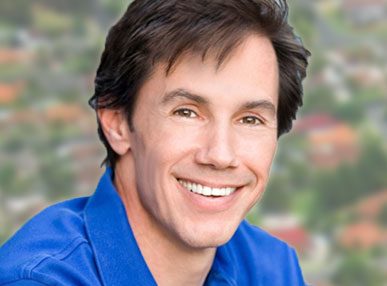
Today’s episode is about the housing market. Jason Hartman analyzes the housing market by looking into the mortgage payment and adjusts for interest rate, inflation, and housing prices. Then, he interviews the CEO and Co-Founder of STR Legends, Eric Moeller, about AirBnB’s business model changes. He shares the decision shifted how STRs had to operate to maintain high occupancy.
Announcer 0:02
Welcome to the creating wealth show with Jason Hartman. You’re about to learn a new slant on investing some exciting techniques and fresh new approaches to the world’s most historically proven asset class that will enable you to create more wealth and freedom than you ever thought possible. Jason is a genuine self made multi millionaire who’s actually been there and done it. He’s a successful investor, lender, developer and entrepreneur who’s owned properties in 11 states had hundreds of tenants and been involved in 1000s of real estate transactions. This program will help you follow in Jason’s footsteps on the road to your financial independence day, you really can do it. And now here’s your host, Jason Hartman with the complete solution for real estate investors.
Jason Hartman 0:54
Welcome to Episode 1648 1648. And thank you for joining us today. Yesterday was St. Valentine’s Day, which oddly has a violent history, although it is the holiday for love and romance. But what about spending, we’re talking about economics, of course. So Valentine’s Day spending plummeted by around 21%. Even as real inflation. Notice I said real inflation, because you know, inflation is manipulated in three basic ways, by waiting substitution and hedonic indexing. Hey, I’m actually kind of singing. Don’t try that. Again. You’re thinking Chaisson, if you sing, I will stop listening. And I will go listen to one of those shows, with a much less informative host than you. I don’t want you to do that, because I want you to be well informed. So I will stop my very bad attempt at singing. Alright, so Valentine spending down 21% inflation in real terms is up much more than the government would have us believe. So dating apps have about 49 million active users in the United States. And the total US single adult population is 128 million. So when you look at those numbers, Valentine’s Day spending is down significantly. Of course, we have a strained economy. But it is uneven, as we have talked about so so many times. But we look to Bloomberg, for some info on housing prices and housing prices have posted another record gain Thank you to Naresh for sharing this article, topping the 2005 Peak, it says Now, some have said we already talked the 2005 Peak. But does that even matter? That is my question to you. Do you have an answer? Does it matter? If we have surpassed the 2005 peak in housing prices?
Well, of course it matters. But does it mean that we’re on? We’re skating on thin ice, that we’re in a bubble? Not necessarily. Not necessarily. Why? Because you have listened to my informative episodes. And you have hopefully not listened to the people copying my thought leadership. They’re out there, folks. You know, you always want to listen to the original, the original, the original who had the original thought on this. And that is, of course Yours truly, because what really matters is mortgage payments, adjusted for interest rates, inflation, and housing prices. And when you adjust all of that, because then you know, the real number, you know, that housing is actually cheaper than it was back at the prior peak in terms of a mortgage payment basis. Because nobody buys a house. And when I say nobody, of course it’s a figure of speech. There are like three people, three people last year, and there might be four people this year. Of course, I’m joking. That will buy a house based on the price whereas most are buying it based on the monthly mortgage payment. And that is surprisingly affordable. Yes, it is. So that would that would indicate that the concerns of a bubble are not very, very important yet, they will be, because this will not go on forever and nothing does. What goes up, must come down. That is the reality of life of markets of everything. But I would say at this juncture, I feel very confident in saying that this market, unless there’s some crazy Black Swan thing, and hey, we’re all familiar with the scene, Nicholas Taleb. We’re all familiar with his black swan book, which is excellent. By the way, I highly recommend it. But the one I would recommend even more, that is better than the Black Swan book is skin in the game. If you’re only going to read one, book, skin in the game is a one you must read. And you will know why yours truly has been promoting the idea of commandment number three, trace, commandment number three, thou shalt maintain control, do not relinquish control to some bankster. And he talks a lot about banksters in that book, to love his good, good, really, really intellectual guy. So check that out skin in the game. Very good book.
Okay, so, US housing prices, fueled by the lowest mortgage rates in history rose at a fast pace, at the fastest pace on record, surpassing the peak from the property boom, in 2005, the median price of a single family home climbed by 14.9% to $315,000, in the fourth quarter, and that was the biggest surge in data going back to 1990. According to NAR, the National Association of Realtors. So there you go. That’s, that’s pretty amazing. Now, this, of course, is very uneven. Because this section of the country, I think you can tell when I’m reading, and I’m just talking to you, right? Just talking now not reading the section of the country that led the way. Now this, this is odd. I’m about to tell you this is odd, but there’s a reason for it. So a little bit of an oddity here. This is not the section of the country, that is really, you know, sort of a macro future in terms of housing prices. But since you saw this shift, and we are undergoing right now, the largest wealth transfer in history, I think, maybe that’s an opinion. I don’t know, I don’t have a lot of facts on that. Where’s your facts? Hartman? Well, I don’t really have them yet, because we’re still in the midst of it. And you’d have to ask compared to what, and that would be a super complicated question to answer. But look, don’t panic. Just use the common sense, right? You look outside, you look at the world. And you think everybody’s doing exactly what I predicted back in mid February of last year, which was super early in the game, that there would be this mass migration to suburban markets. And what do you know, it’s happening? It is happening, it’s been happening. It’s not news anymore. Not news anymore. But why would the Northeast which is the not future market, not the market to benefit from big macro trends lead the way in this market appreciation? a statistic? Well, it did. And that’s because buyers rushed to the suburbs. The good old burbs who are in the burbs are very involved nowadays. They are they are leading the charge, Fairfield County, Connecticut, Greenwich, okay. They saw a huge the Hamptons, right? You know, as this money flooded out of New York City, and these high priced urban areas, high density urban areas that are basically hell on earth, to some degree, sadly, it really pushed prices up there, and you have a big concentration of that wealth leaving the city. And so there you go, that really led led the charge.
So the average working family is struggling to contend with home prices that are rising faster than income. Lawrence Yun said now that’s the chief economist of the National Association of Realtors. You’ve heard him on the show before this sidelines a consumer from becoming an actual buyer. I think he means a renter from becoming a homebuyer, right? causing them to miss out on accumulating wealth from homeownership. Well, one thing he said there, that was very misleading, and I want to point it out very misleading, not intentional. Okay, let’s look at exactly what he said. Kind of like looking at exactly what Trump said in that ridiculous waste of time and taxpayer money, that they just finished that impeachment number two fiasco that, you know, that Trump won, as he should have. So here’s the exact thing Lawrence Yun said, the average working family is struggling to contend with home prices. underline the word prices that are rising faster than income, underline the word income. Again, not the right comparison lawrencium. What he should have said is that the average working family is benefiting from low home mortgage payments, adjusted for interest rates, the lowest in history, and inflation, which diminishes the impact of those payments that are declining as income increases. That’s what he should have said, that would have been a more accurate statement. not intentional, you know, because I get that most people make a shallow comparison as he did as most people would. Okay, it’s not I’m not like getting on his case about it. Because that’s what everybody in the media says. prices are rising faster than income. But who cares? Only if you’re buying cash. Does that matter? Okay. And, you know, the vast majority of homebuyers, especially first time homebuyers are of course getting a mortgage. They’re not paying cash. No. All right. All right. All right.
Okay, so we’ve got a bunch of other stuff to go into, of course, as always, but our guest today is my friend Eric, who is here to talk about the overall market, we had a very interesting discussion when I interviewed him, he is a specialist in short term rentals. And as you know, many of the people out there with doing the Airbnb thing, the short term rental thing, they got really, really hurt during the pandemic. Okay. But some did really well. I’m happy to report that our people we we’ve only dabbled in the short term rental market, you know that I’ve talked about it before St. Augustine, Florida, our clients did really, really well, in fact, extremely well, you’ve heard some of them on the show talking about it. Because there’s this certain profile of short term rentals that has been really well insulated, and has written out the storm very, very nicely. So we’re going to talk about that and a whole bunch of other items a whole host of other items. Be sure to reach out to one of our investment counselors to help you plan your real estate portfolio. And they can invite you to our various resources, webinars, classes with a lot of great free resources. So even if you’re not ready to make any changes, or make any purchases, reach out to one of our investment counselors, by going to Jason hartman.com. And filling out any web form. They’re looking at properties, checking out other resources, videos, etc. Or if you’re in the United States, you can of course, call us at one 800 Hartman that’s one 800 Hartman us number only otherwise, catch us on the internet at Jason hartman.com. And here is the interview with Eric as we discuss kind of the broader real estate market and short term rental markets specifically.
It’s my pleasure to welcome Eric molar. He is the founder of short term rental legends. And a lot of people have expressed interest in short term rentals and the industry and what it’s doing. So we’re gonna get a bird’s eye view. There’s a lot of changes, a lot of things changing. A lot of people have really had to pivot their business. And I’m looking looking forward to hearing more. Eric, welcome. How are you?
Eric Moeller 14:33
I’m doing good. Doing good.
Jason Hartman 14:35
Good. Yeah, it’s good to have you. So give us the bird’s eye view on the short term rental industry. A lot has changed, hasn’t it?
Eric Moeller 14:44
Yeah, it’s been 2020. It’s been a roller coaster over a year, not only for everybody, I mean, but obviously the short term rental industry is one of the first industries to get to get hammered by the lockdowns right, the global lock downs, the first thing Countries stopped doing and restricted with travel. So obviously, most of our business is is ran off of travel, especially international travel. So yeah, yeah, early in the year, the short term rental industry seemed like it was collapsing. And then we spent a few months really kind of studying and seeing where the new trends of travel is leading and how this industry was going to pull out of it. And it’s kind of blossom, this new version of short term rentals. So yeah, there’s a couple of rabbit holes we can get into there. But we watch literally in one year, timespan, the industry collapse us thinking Airbnb, the company was going to collapse. hosts, you know, from all around the world was pulling off Airbnb and just you know, was fed up with the company on how they were dealing with the COVID situation, although it’s to now a new type of traveler, a new length of stay new, different types of business models, within short term rentals all the way to what was it last week, two weeks ago, Airbnb finally in their IPO and being valued at $100 billion. So it’s been a crazy, crazy year, man.
Jason Hartman 16:06
Yeah, well, you know, I think what it proves, I mean, well, let me ask you, so it’s been a crazy year. I got that. But overall, you know, for you and other short term rental operators? How’s business? If I’m just going to ask like, is it? Is it good? Is it half of what it was the year before? Is it off? 25%? You know, like revenue, you know, not activity revenue?
Eric Moeller 16:31
Yeah. So two major things happen. One is urban operators. And that’s really where Airbnb and the whole short term rental boom really took off in the last few years, are individuals investors, operators, taking over full buildings and apartments and condos and center cities around the around the world. Those are urban markets, which were doing extremely well, pre COVID have pretty much collapsed, right? People don’t want to be in the city right now. No one’s traveling to the city. The reasons for you to go to cities are all shut down, restaurants, shut down, you know, all of that stuff. There’s no events, things like that. So the urban markets aren’t doing well at all. There may be some operators that are just getting by, but no one’s thriving from what I can tell in cities in the what we call drive in markets, which are outside of major cities in our two hour three hour drive from the major cities are doing extremely well. These are they’re having the operators that that are in our mastermind, SCR legends that are in like the mountain towns and city. I mean, mountain towns, Lake towns, deserts, beach towns are having the best year they’ve ever had expanding, getting more units, higher occupancy and higher rates as well. And what’s it what’s interesting is we watched the average stay of a guest on Airbnb go from three days prior three days, upwards of nine days now. And there’s certain markets where that has doubled, where it’s, you know, two weeks, 20 days, things like that. So that just means more money, more occupancy and the ability to continue to scale.
Jason Hartman 18:08
And how much lower is that rate for the extended stay? Typically? Is the operator of that unit, cutting the rate by 20% 25%? For the longer stay? Or how’s that working out?
Eric Moeller 18:23
Yes, so we’re seeing it again, short term rentals, like any anything else in real estate, right? Depends on the market and the asset. But we’re seeing anywhere between 20% and 50%. on a monthly basis. For example, I’m currently in New Jersey, I rented an Airbnb here for bedroom, got my parents together, we flew out to California, and we’re here for the month of December, and I’m in new in this. I’ve been renting an Airbnb for 30 days for the last six months and living in different markets around the country. This property we rented for 50% of listing for the entire month. Right? So and this is consistent across all the properties we’ve stayed in. So you’ll see that you’ll see discounts anywhere between 20 in urban markets, you’ll see upwards of 80% where hosts just want to get somebody in there to pay the debt. But yeah, on average, I would say 20 to 50%.
Jason Hartman 19:14
Now when was that a result of you negotiating with the host? Or was that just something they’d offered on the website?
Eric Moeller 19:22
Yeah, so Airbnb what are the biggest pivots for Airbnb was stepping into 30 day stays, right? So that’s something that they never really offered before. So now on Airbnb, they have a section when you go to search property, you punch in where you want to go, the dates, all of that and then they give you options. Do you want, you know, what are the dates or even a monthly stay? Or do you want a room share, right? And now this 30 day stay if you book a property for 28 days or more, they work in certain discounts already. So especially now, right? I’m in New Jersey. I’m in Long Beach Island. It’s a seasonal market. So all the properties down here completely empty during the winter. So he’s happy to get somebody in here for the month. Right? So he already put up on the market. If you booked this, I’ll give you a 40% discount. I reached out to him and said, Hey, this is my budget for the month. Can you meet this? And he’s a Yep. Okay, come on out. Happy to have you
Jason Hartman 20:16
as Eric. Right, right.
Eric Moeller 20:17
A little bit in negotiation. But I wouldn’t you know, for anybody who wants to use this as a way to travel, all of that I wouldn’t go down the path of hard negotiations with, with hosts. That’s something that we had to deal a lot with this year, due to COVID. A lot of people were just negotiating rates, we already built in rates based on red line revenue management methods. So if you see a good rate that’s on there, and they’re offering a discount for the monthly stay, or whatever that is, you know, you could knock off a little bit, but I want to go in there trying to try to get it for pennies on the dollar.
Jason Hartman 20:51
Right, right. You know, what’s so interesting about what you said about do you call it driving markets or drive in markets? What was the exact phrase you drive in movie? driving like a drive in movie?
Eric Moeller 21:04
Yeah, exactly.
Jason Hartman 21:05
Cuz I didn’t have a name for it. But back in late February, early March, I predicted that. I just basically said that, you know, look, we have our one short term rental market, St. Augustine, Florida. And I thought of it like this, Eric, it’s so interesting that it actually happened to because I said, you know, any Airbnb that is in a place where people can drive to so four hours or less generally is kind of what I consider a drive, right? If it’s over that, then it’s like, you got to think about it. Okay, before hours people do. And if they can get a different experience from where they live currently. In other words, if they live in Atlanta, or Orlando, and they go to St. Augustine, Florida, they’ve got a really, truly different experience. They feel like they’re on vacation, right? So it can’t necessarily be from, oh, you know, I live in Orange County, California, where I used to live. And I’m going to go get an Airbnb in San Diego. Now that is different. Sure, but it’s not dramatically different. Right. It’s still like you’re, you’re at the beach in both places, maybe. Right. So would you say that that held true? Is my interpretation? Correct?
Eric Moeller 22:22
100%. So are you familiar with chip Conley?
Jason Hartman 22:25
Yes. He wrote a couple of books, right? Yeah. Yeah,
Eric Moeller 22:29
he wrote a peak, which is is one of my favorite books. Yeah,
Jason Hartman 22:32
I read those years ago. Yeah.
Eric Moeller 22:35
Yeah. Yeah. So he’s also that he’s a personal advisor, mentor to Brian chesky of Airbnb. And he worked as the head of hospitality global hospitality for Airbnb for seven years or so. But he was he was on our mastermind when, when everything started shutting down, right. So when the whole industry came to this place, where we’re like, we have no idea if short term rentals even exist or Airbnb is gonna exist after this. And he he kind of coined this, this phrase that I’m currently living and doing myself, which is called home instead of home, right. So before we heard, you know, home away from home type of travel mindset. Now, what COVID has created in the travel industry, his home instead of home, so, to your point exactly, is individuals, families, couples, they’re able to they want to leave the city, they want to get out of a dense populated area and get into nature filled markets, but they want to also tap into properties where they have the comforts of home. So literally, I run my business, my health routines, everything is exactly the same as if I was living home in San Diego, but I’ve been living in Boise, Idaho, Park City, Utah, Austin, Texas, and now Long Beach Island, and creating my home here instead of at home. Right. So these markets where you can drive outside the major cities get into nature, because if you’re in the city, and you’re locked down in an apartment, or a condo is driving you crazy, right? lots of lots of crazy crazy things happen in cities right now. Want to get away from it, man, they want to disconnect and but they also have a job to do. They’re working from home. Tony, Tony has been it’s been a year for the history books, right? No question, obviously, especially for this industry. And this is why I love this industry so much. It’s like we and you said this yesterday on a mastermind which is like we’re a roomful of industry full of problem solvers and able to pivot unable to figure out these new trends. And it happened really, really quick. So it’s kind of looped back to your point. Yeah, these secondary markets, these driving markets are doing incredibly well and not just here in the States.
Jason Hartman 24:54
How much how much better are they doing revenue wise than they were a year earlier. For example?
Eric Moeller 25:00
Yeah, so I would say they’re probably closing out this year right around the same because they got hit. So everyone got hit so hard in the beginning with the lockdowns and then there
Jason Hartman 25:08
were these rules that you know, you you had to leave space in between guests or I wanted to say tenants but guests, right? Yeah. Like you had to leave a day or two between them, where they said you had to keep it vacant, right? There were crazy things like that.
Eric Moeller 25:23
Yeah. And even just for lockdowns, right, you know, but for example, we have, you know, markets in like Joshua Tree, California, Idlewild, California, all the national parks around the country. Even in Australia, we have a lot of hosts that are in Australia and our group markets outside of the major cities like this one, market, Orange is doing extremely well, they’re doing 90 to 100% occupancy, across all their properties, right. And their rates might be slightly lower, but the occupancy catches up for that because you could prior to COVID, we’re running these higher rates at a 70% occupancy, but now you have a 90 to 100% occupancy. So they’re doing extremely well. And that’s our you know, that’s going into our new business model. So I shifted from being the urban operator running 100 short term rentals in the cities to now go in it’s 2021, we are launching a new property brand where we’re going to actually be acquiring land outside national parks and building experience based tiny home communities. Because people want to outside of the home instead of home, they want to have that experience, right? They want to tap into nature, they have unique experiences. And they have the ability, if it’s set up for workplace, they have the ability to travel, work and live somewhere else for a bit. So that’s our new market, that new plan that we’re tapping into. So yeah, there’s a lot going on in the industry, those secondary markets are extremely exciting.
Jason Hartman 26:49
Yeah. So that’s a good thing. Thank you for that. By the way. Another thing I wanted to ask you about is the comment you made earlier about how people were upset with Airbnb. And you know, I think I know what you’re gonna say, but I’ll just tee it up a little bit with my own opinion, since you’re in the business, he maybe you don’t want to say some of this stuff. But you can comment on what I say. I view a lot of these big tech companies as these like virtue signaling companies, they give away other people’s money. And you know, Airbnb has done that many times. They get to go on the news and make headlines as though they’re doing something so good. Yet the people paying for it are all the hosts that just lost all the money. It’s not Airbnb, Airbnb is contribution to this, you know, virtue signaling activity of, Oh, well, we’re letting people cancel their reservations with no fee, or, you know, but you know, it’s the hosts that are paying for that it’s not Airbnb, you know, it’s like the host should get the at least the credit and the positive PR, right? Is that what you were saying? When you said people were upset with the platform? And and tell us about that?
Eric Moeller 27:59
Yeah, exactly. First of all, I think I got very upset with Airbnb across exactly what you just said they they put in processes or procedures to allow guests to cancel without any question without any way. You just say, Hey, I’m not coming, get my money back. And Airbnb just sends the money to them. And the host had zero say zero negotiations, nothing in business. So they felt like they had no control over their business now, right? looking at people like, and they did it, you look at not only myself, and you know, people in my mastermind that run hundreds of short term rentals, they’ve lost 10s of 1000s, if not hundreds of 1000s of dollars overnight, due to Airbnb just returning their money back. And these are companies that have made millions of dollars with Airbnb, but then also the mom and pops that, you know, they only have one or two properties, or maybe the mom and pop that had, you know, renting out their spare bedroom to pay for their mortgage right overnight. That income disappeared. Right? So I was extremely upset with that the industry was extremely upset with that, plus everything else that you just said it was just it became a very politically charged a lot of decisions were just driven through politics, but then also setting up for this IPO that they were going for, towards the end of the year. Yeah, and I
Jason Hartman 29:23
definitely want to talk about the IPO in a moment. But go ahead and just finish what you’re saying.
Eric Moeller 29:28
So so that’s that’s where the industry got very, very upset. And I think people very quickly started realizing that we can’t rely regardless if you have one property or you have 100 can’t rely on otas online travel agencies, right? You can’t rely on Airbnb or booking.com or vrb. O, you have to start building your own book of business. And it forced us to go from these individuals that quickly built these businesses on Airbnb platform to now stepping back and saying like, I got to create a real company here. I got to Figure out how to acquire my own travelers, I got to figure out how to remarket to my travelers. So there was a lot of shifts that were going on, but that was the major the major change what pissed off the entire hosting community. But you know to With that said, I took a step back afterwards and I’m like, I’m like, man, I can’t even imagine the decision making on the for the CEO and the executives of Airbnb to figure out how to deal with this challenge, right to figure out how to keep this, this organization going with all these different cancellations and the risks that comes along with it. So not that I’m sticking up for them. What I’m saying is, I feel that they took very, they took huge emotional decisions, that then the The result was something that they were not expecting, which was host revolting against them. Right, the guests were happy, but the host, they put so many hosts out of business by doing that, then they rolled out a host host fund, where the where the the owners of the themselves have invested money. And they took a bunch of cash. And they created this whole political stunt media stunt where they were paying back
Jason Hartman 31:12
another virtue signaling opportunity. It was all
Eric Moeller 31:15
it was all politics, it was all media. And we did the math on it. And it was like, there was like, less than point 5% of hosts, we’re gonna get, you know, a few 100 bucks from Airbnb. I don’t know anybody who got anything substantial. So it was a big political stunt.
Jason Hartman 31:32
Yeah, you know, I just think that is just so wrong of Airbnb, the way they’ve handled that, because before all of this, you know, they always ruled in against the host, it seemed like, you know, some, some guests comes in, they trash your property, and Airbnb, like, they won’t do anything, they just, they just, you know, the host just has to take the pain. That’s I’ve heard so many stories like that.
Eric Moeller 31:58
So just touch on that real quick. Because, you know, even though I’m beating up Airbnb, and, you know, I was one of the individuals that were extremely upset with their decision making and their you know, what they put in place, we have to take a step back and realize that they are also without them acquiring the guests, they we nobody on their platform has the ability to run the businesses that we can run on their on their platform. So at the end of the day, they’re number one focus, it was the mom and pop host. But very quickly, they became this big competitive in the market to compete for the travelers between booking.com, Expedia, all these other platforms. Now Google, so I do understand that then they’re siding with the guests, I understand that. But it unfortunately put hosts in a position where we’re like, Alright, well, Airbnb were, we looked at Airbnb as our partner. But now, their decision making cost the, it made us look at them as just a marketing channel versus apartment, if that makes sense. I do see that changing slightly a bit. I see the dynamic changing a bit. But I think
Jason Hartman 33:11
that dynamic moving in favor of the host as Airbnb, like realizing without the host, they’re never gonna make any money. I mean,
Eric Moeller 33:20
I think they always I think they always recognize that, but at the end of the day, I think it’s more important to them to acquire the right customer, which is the guest, right? Because I think, yeah, I think without without really dialing that in 100% us as hosts are going to really have a challenge building business, building a business on their platform. Yeah, I mean, all in all, I mean, I, you know, I love Airbnb. But yeah, there’s still a soft spot, you know, so yeah, what needs
Jason Hartman 33:47
to happen is, you know, we live in this world where any part of the tech world, these companies are so scalable, that we have this winner take all system, where, you know, it’s Airbnb is huge. And then there’s everybody else. Facebook is huge. And then there’s, like, you know, nobody you’re paying attention to, okay, and it’s just not a competitive market. And that’s what needs to happen. So how do hosts build their own book of business to have that security? That’s the question and what other platforms, you know, do you like or recommend, other than Airbnb?
Eric Moeller 34:25
Yes. So what I love about the short term rental industry, it’s a bit different than the rest of the tech companies. Right? So Airbnb is the new young kid on the block, the sexy shiny object out there, right that kind of reinvented the whole short term rental industry, but their major competitors in different markets around the country and around the world. Right. So Airbnb is not as big in certain European markets compared to booking.com booking.com dominates certain markets around the world, right. Then in the US, there are certain markets where verbo really dominates over Airbnb, right. And it’s all about the traveler. Right? more families and older generations go towards verbo or via vrb. Oh,
Jason Hartman 35:10
I never heard a call that way before. CRB. Oh,
Eric Moeller 35:14
yeah, they, they rebranded verbo prior last year, I think it was. So homeaway vrb Oh, that whole that whole organization. So there is a lot of competitors. That’s a thing. And now there’s more and more competitors stepping up. Google is stepping into short term rentals, as far as the marketing engine
Jason Hartman 35:34
won’t be a force, I just guarantee it. I mean,
Eric Moeller 35:36
I don’t think it won’t be as as much as Airbnb because of the culture
Jason Hartman 35:41
behind it. Well, true. Airbnb has got the culture, no question. But just as an aside, not to go on a huge tangent here. But Google is a really smart, but evil company. And what they do is they go into all these other businesses, and they fail at almost every one of them. Yep. But they do that to avoid the scrutiny that they’re finally getting now that they should have had over 10 years ago, of antitrust violations, and they are being sued left. And right now I’m so happy to see it, I hope they get broken up. Any company that controls 90%, or close to 90% of the country’s search engine traffic should be broken up, that is insane, that they could shape our thoughts, you know, influence elections, like they do all of that stuff. The same is true with Facebook, Amazon, all the rest, you know, but but that’s why they go into all these other businesses that always fail, because they just want to be able to say, we’re not a search company. We do all this stuff, you know, and, and then they get the antitrust regulators off the trail. Right. But fortunately, that may change soon. We’ll see.
Eric Moeller 36:51
Yeah, yeah, I’d love to I’m a bit ignorant on on that whole thing. So I would love to, in another conversation. Go deeper into that with you. Yeah. So do what do I think that they’re gonna out compete? Airbnb? No, I think Airbnb, especially with this latest IPO is they’re here to stay. Yeah, things are constantly changing on their platform. The owners, the founders of the company, I think are brilliant men who surround themselves with brilliant people. They ask the right questions, they take bold action, some work out some don’t I agree with some I agree with, you know, some of it I don’t agree with. But I think Airbnb, of course, is the main platform now. So let me get back to the original question real quick. The, I always recommend if you’re just getting started in short term rentals, Airbnb is the best platform to build your business, we can literally list one of your rental properties on Airbnb and start generating cash flow in a couple of hours, right, which is insane. So I read it, I always recommend building your business on Airbnb, if your market, if that’s the main otaa in your marketplace, until you get to a certain stage of your business where you have your systems, you have your teams, your cleaning crews, or your communication teams, customer service teams, you have everything in place, and you fully understand the business of short term rentals, which is it’s a hospitality business first versus anything else, not real estate. It’s not just a real estate investment vehicle, right? It’s a hospitality business. Once you build that, and you get to a point where you have those systems running, then you can start expanding into these other otas like booking.com vrbo, homeaway. And then there’s, you know, hundreds and hundreds of different websites that you can tap into. So I don’t recommend going into these other otas until you build your business first. And I always recommend Airbnb because it’s the easiest way of doing it. Right. Okay,
Jason Hartman 38:50
and what is the OT acronym again? The
Eric Moeller 38:54
online travel agency.
Jason Hartman 38:56
Oh, got it. Got it. Okay.
Eric Moeller 38:57
Yeah. Oh, ta. And then once we, you know, along with that, what I always recommend to is, especially through COVID, is, as you’re building your business on Airbnb, you have to start building your own presence on the internet, right, you have to have your own direct booking website. And then as you get your guests in there, you’re remarketing to them. So you’re not relying on the otas to bring you business
Jason Hartman 39:21
but Airbnb, at least I’m sure the others do it too. You know, we’ll do everything they can to make sure you can’t contact that guest directly. And that you can’t build a list and that you can do this. I mean, they’re they position is this is our person, we brought them to you so we own them, right? That gas
Eric Moeller 39:40
is smart. It’s smart, right? It’s smart, they keep it within their organization. They keep it within their their sphere. So I understand why they do that. And they do an incredible job at making sure that Airbnb is the platform where you connect with the guests prior to booking, but once you book you have access to the guests You can communicate back and forth. And then there’s tools. And this is part of the business that I was just recommending is I want you to build these systems, there’s tools that automatically as soon as you get a booking that comes in, we’ll send them a link with a welcome letter like, Hey, you know, welcome super excited to host click this link and give me your info so I can send you out a welcome package. So and I have recommendations, the Wi Fi password, how to get check in blah, blah. So they click the link and they’re able to upload their their email, their their phone numbers, stuff like that, which will go into a CRM that you can contact later on. But Airbnb does an incredible job at keeping the communications in their platform to keep as much revenue and control around that
Jason Hartman 40:46
as possible. Interesting. Okay, so anything else we should talk about? As we wrap it up? You know, any any other aspects or issues? I was kind of thinking there was another thing I wanted to ask you about. But no, I can’t remember.
Eric Moeller 41:00
You want to talk about the IPL? I’m not I’m not 100% educated on the IPL. We
Jason Hartman 41:04
are Yeah, yeah, well, just just for a moment. So last night, when I spoke to your group, your mastermind group, which, by the way, you run a great group, you know, you said 200 million. And it actually went down a little bit it was, or a billion, it was at 87 billion when I looked, after you said that, because I couldn’t believe it. I was insane. You know, I know that they gave hosts the opportunity to like participate in that. Do you know when you did, or did you do that?
Eric Moeller 41:33
So we chose, we chose not to do it just for the fact that we have so much going on in our business, we’re starting multiple different projects, and all of this, that we decided to keep our blinders on 100% into the projects that we’re doing. So we actually did not invest in IPO. But many of our legends, in our our mastermind have invested in it. And we’re kind of blown away at the valuation right away, and, you know, immediately gained some equity in their investment. So, yeah, we know quite a bit of people have and, you know, when I, we have a community of 40,000, short term rental hosts from around the world, and when we ask any trying to get everyone’s feeling on this, you see, it’s split down the middle, it’s like everyone is like, kind of like myself, which I’m, I’m more than happy to invest in Airbnb, and I’ve made lots of money with our platform, and I believe in their platform. And I do believe in their leadership behind their vision of this company. So I’m more than happy to invest into this company. And you see that people are like, Hey, I made millions of dollars with them. I’ll invest in this in their IPO. And then you see the other half that kind of go back to the conversation that we started with. still kind of upset with the way that they made decisions during COVID where they would never invest in IPO but right All in all, it’s gonna be a successful venture for them. I truly believe that the difference in my opinion between Airbnb and all these other unicorn startups like Uber and we work well just say Airbnb and we work is Airbnb, spent years building their cash reserves. So they were
Jason Hartman 43:10
profitable. We work we work was a scam. I saw that, like 10 months before it all fell apart. You know, I just knew that was a complete scam. The founder was, you know, playing games with these office leases and pocketing the money. I mean, that guy’s a crow, he should go to jail and have them something I can’t think of his name right now. But yeah,
Eric Moeller 43:30
yeah, he was a maniac. But the difference in my opinion between Airbnb and all these other IPOs is that they focused on understanding their customer, they focused on dominating the marketplace. But then they also focused on cash, they focused on profitability, which is I don’t, I didn’t see any other unicorn unicorn company doing that. They just focused on scale, scale scale. Airbnb, the company is an extremely profitable company up until the last 18 months or so. So I truly believe that this is going to be a really powerful move for them. And I think that they’re going to take over a huge part of the the marketplace on a global they own the they own North America. I think they’re with this IPO they’re going to move towards owning big share the the global travel industry.
Jason Hartman 44:16
Yeah. Do you have any thoughts on their, their side of the business? Like, are they making money? Are they burning money? What does it look like for them? I mean, it is so some of these IPOs they’re just so ridiculous. You know, I’ve had a saying for many years. And it’s not exactly profound, but I guess it is nowadays. Real businesses make money. What a concept. Uber and you know, all the rest of them. I mean, it’s just like, these. These are totally speculative bubbles. It’s just ridiculous. You know, that some of these investments.
Eric Moeller 44:54
Yeah. Jason I mean, that’s, that’s what I preach to my mastermind. That’s what we preach in the accelerator. And all the content I put out there from for the last two years is the short term rental industry. No one and you asked me in the beginning why the the master lease model is not a great model anymore in my opinion why I moved away from it. No one ever focused on profitability. They only focused on revenue and scale. How many more units can I get? How fast can I scale? That’s the curse of this whole VC backed, you know, scale as fast as possible and sell. And then whoever we sell to, it’s their problem and figure it out. But we’re going to show that this kind of works and that we’re growing, we’re going to only focus on revenue and scale but not on profitability. And that’s something I’ve been preaching. And that’s what we preach over and over to our mastermind group. It’s like, what what do we have to cut back on? Where do we got to focus on driving profit? First,
Eric Moeller 45:46
shameless little plug for that book profit First, if
Jason Hartman 45:49
you haven’t read it, I highly recommend it. I don’t know I wasn’t that crazy about it. But
Eric Moeller 45:54
yeah, I enjoy it. I like it because of the structure of it. Right gives it gives startups good structure behind their, their financing, Airbnb going back to the company, Airbnb, I think they’re profitable, they’re moving towards driving more profit in their company, they are taking a risky move, where they’re going to be charging the owner, the host, a bit more money for the transaction. But they make a lot of money right now. And they’re going to be rolling out different ways of generating cash flow for the company on their platform by allowing different services allowing upsells allowing all of that transactions on their platform. So I think their model is solid. That’s why they’re doing extremely well. And I think, I think they’re gonna be around for quite some time. And I don’t think we’re gonna see this unicorn, you know, bubble burst like,
Jason Hartman 46:40
we work. Yeah, no, well, no, not like that. I agree. It’s, it’s, you know, at least it’s a real business for sure. So yeah, good, good stuff. Well, Eric, a thank you for all the insights. You know, I’m glad we met a couple of years ago. And, you know, it’s just great. You’re, you’re really a pro and you know, what’s going on? So thank you for that. And we appreciate you being on and give out your website.
Eric Moeller 47:03
Yeah, Jason, I appreciate the time, man. Thank you. Yeah. So for individuals that are you know, established in short term rentals, check out str legends calm. And then for the beginners that are trying to just get started or figure out the systems, check out str profit academy. com.
Jason Hartman 47:19
Good stuff. Thanks for joining us.
Eric Moeller 47:21
Awesome. Thank you, Jason.
Announcer 47:27
Thank you so much for listening. Please be sure to subscribe so that you don’t miss any episodes. Be sure to check out the show’s specific website and our general website Hartman Mediacom for appropriate disclaimers and Terms of Service. Remember that guest opinions are their own. And if you require specific legal or tax advice, or advice and any other specialized area, please consult an appropriate professional. And we also very much appreciate you reviewing the show. Please go to iTunes or Stitcher Radio or whatever platform you’re using and write a review for the show we would very much appreciate that. And be sure to make it official and subscribe so you do not miss any episodes. We look forward to seeing you on the next episode.