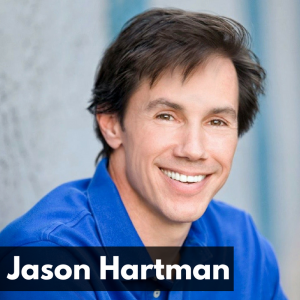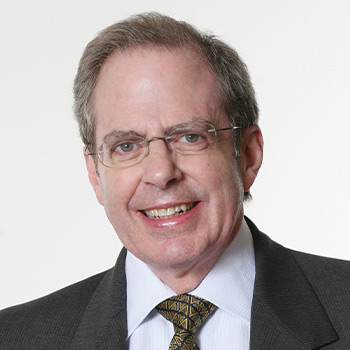
Jason Hartman’s introduction is about persevering in your ventures. He explains how the cost of lumber is impacting builders and sales contracts. Then, Jason interviews Stephen Leeb, author of the new book China’s Rise, New Age of Gold, and The Coming Economic Collapse. They talk about the short supply of real, physical assets and how gold has outperformed S&P by 100% in the last 20 years. Jason and Stephen also discuss getting 6.5 BILLION people into the middle class.
Announcer 0:02
Welcome to the creating wealth show with Jason Hartman. You’re about to learn a new slant on investing some exciting techniques and fresh new approaches to the world’s most historically proven asset class that will enable you to create more wealth and freedom than you ever thought possible. Jason is a genuine self made multimillionaire who’s actually been there and done it. He’s a successful investor, lender, developer and entrepreneur who’s owned properties in 11 states had hundreds of tenants and been involved in 1000s of real estate transactions. This program will help you follow in Jason’s footsteps on the road to your financial independence day. You really can do it on Now, here’s your host, Jason Hartman with the complete solution for real estate investors.
Jason Hartman 0:53
Greetings, and welcome to Episode 1664 1664. Thank you for joining me today. We are living in crazy times, ladies and gentlemen, absolutely crazy times. This market is maybe the most scarcity oriented market. I have seen in my entire career. And remember, I’ve been doing this longer than any other guru, you’re listening to out there. I got my real estate license when I was 19 years old. Yes, I was going to Long Beach City College, first year of college. It was just before my 20th birthday, when I got my real estate license and started working for century 21 part time just to kind of learn the business to learn how to be an investor. And six months later, I became an investor when I bought my first rental property still living at home. But I owned a rental property. That was important. I bought that from a client of mine, my client, Jim wall, said he was buying several investment properties from me, they were HUD and VA repo properties. I sold him maybe five properties. Think about it, I was just a kid, I was selling a lot of real estate as a kid to investors into first time buyers to little cheap properties. And I had told Jim about five properties, I believe, and he didn’t like this one very well. And he asked me to list it and find a buyer. And he said, you know, Jason, just list this one for me sell it and I’ll buy something else from you. And I said, I don’t want to, I don’t want to sell it for you. I want to buy it from you myself. And that was my first rental property. As I’ve shared before, that easily could have been argued that it was a bad experience. For me, as a very young investor. at the tender age of 20 years old, I had to evict my first tenants, I could have easily given up I would have had every justification. Every excuse, every reason, no one would have blamed me for giving up on this whole real estate investing thing. I’m sure glad I didn’t. Because I actually made some money on that one. Even though I lost money on the tenant, I sold the property because I was so fed up with the whole thing after that bad experience. But I did sell it at a profit and made some money there. And then I bought another property and on the next property, I got an amazing return. And then I just I was in they had me at hello. And I was in have been a real estate investor for life since then.
So I know there are discouraging times there are bumps in the road. Everybody has difficulties to go through and the more difficulties, the more discouragement, the more fear, uncertainty and doubt, otherwise known as Fudd, the more of that you are willing to endure and overcome the more character you have number one, but number two, the more money you’re going to make, the more successful you’re going to be. So many people in life just give up so easily. You know, that’s the one thing that separates the successful from the unsuccessful is their tenacity, their perseverance, and the biggest obstacle any of us have to overcome is the person in the mirror. Now some may be thinking No, it’s the person I’m married to. Or my significant other sometimes they are a big obstacle. We all know that can definitely be an obstacle, or the things that were programmed into our heads from our parents or other people we looked up to in life mentors, even friends that will discourage us that will you know, misery loves company, right? It always does. But we’ve just got to have the fortitude, the Springfield internal character to just keep going. One of my favorite quotes and I’ve shared it with you before I think is by jack Parr. And he says, My life is One long obstacle course, with me as the chief obstacle, so overcoming oneself is the the key to mastery, you know, who was it? I think it was Plato, right? Who said, The unexamined life is not worth living? Maybe I’m misquoting that that might have been someone else. But you get it right. The unexamined life is not worth living. And we must always work to overcome ourselves and the things that discourage us. Because when we are just persistent, you know, the world just moves out of our way. And as Steve Jobs said, the goal should be to make a dent in the universe. Well, guess what? No shy, timid person who didn’t have the fortitude to keep going, in the face of incredible doubt and discouragement. Ever Made a dent in the universe? It never happened by accident. Right?
Okay. So there’s the motivation for today, not that you even need it. Because the market is so enticing right now. But there is there’s definitely a lot of discouragement out there. inventory is so tight, bidding wars going on absolute craziness. And like I talked about on today’s live stream, we had a big live stream this morning, you can watch it on the YouTube channel, or on our Facebook pages, check that out. We had hundreds of people on there, we went for over an hour and a half, and covered a lot of stuff. And one of the things we talked about was how builders nationwide, and maybe worldwide are increasing prices due to material cost increases, right in the middle of the deal. You know, many of them have escalation clauses in their contracts, because they simply cannot afford to finish the project, when the cost of their construction materials are increasing so quickly. And right after I rolled out of bed this morning, and got the leash on the dog, and went out to walk the dog half asleep in the area. I there’s a house that’s under construction. And I saw a man out there with a truck full of lumber. And you know, I stopped and paused and the dog just wanted to keep walking. I thought, you know, that lumber truck actually needs a guard. Are they going to start delivering lumber and other building materials in a Brinks truck. Now, I noticed what they’re doing with the lumber is instead of leaving it on the ground like they used to. They’re having the crane come and lift it up onto the second story of the house that’s under construction. So people will have a hard time stealing it. That’s how valuable it is. So I asked the driver who was unloading his his lumber truck. I said that lumber on that truck, how much does that cost? And he said it’s about $15,000. And I said how much was it a year ago. And he said it was about $5,000. So it’s tripled in a year, three times the price. He said one sheet of this plywood right here is $43. Just for one sheet, there were a whole bunch of sheets on the truck and other types of lumber. So it is really amazing what’s going on. And yes, builders are escalating prices quickly on new buyers that buy properties from them. But even on existing buyers who are already under contract, where they have the escalation clause option, because they simply won’t finish the project. Now, let me tell you see, this is one of the benefits of having been around a long time and been through many cycles like I have. I remember, and this is not an a super old cycle, I’m referring to now just the Great Recession, we’re really the run up to the Great Recession, circa 2003 2004. Era, maybe in 2005 as well, a lot of builders were building homes, and they would just stop in the middle of the project with an incomplete house. And they would be under contract with their client or the builder never to finish the project. And they would just breach the contract, they would say, look, I can’t afford finish this project. It’s simply too expensive. And they would leave the person with an unfinished house. Now, of course, I’m sure there was massive while I’m not even sure I know for a fact that there were you know, a massive number of lawsuits, a lot of litigation came out of this type of thing, because it happened in a lot of places when they did not have the escalation clauses in their contract, so that they could leave themselves some margin for commodity price changes during the transaction. And that’s exactly what we’re seeing all over the country.
And, you know, I don’t know about the rest of the world for this particular thing, but I assume it’s happening all over the world. This is just the reality of the marketplace. Remember, my trademark term, packaged commodities investing, and my other trademark term assembled commodities investing. That’s what you’re really buying, you’re buying the ingredients to the house, you’re buying the ingredients to the house. And those ingredients prices have increased. So dramatically from the time, maybe someone signed a contract, even three or four months ago, or maybe even longer, that the builder can’t afford to complete the project, they would literally lose money by finishing the house. And that is the reality of today’s absolutely crazy market. And I just want to go on record one more time before we get to our guest today. And tell you, I personally, even though Hey, business is good, we’re making money, do not worry. And I’m making money on my own properties as well as as business for clients. But I do not like this type of market. We as a referral network, we find it hard to operate in this market, we find it hard to secure the properties that clients want to buy. So I am not wishing for this market. I’m not promoting this type of market. I don’t personally like this type of market, it is imbalanced. As I said, on today’s livestream, which really, you’ll want to go check that out on the YouTube channel or on any of our Facebook pages probably YouTube’s the best place to look at it before it’s censored. And check that out. There’s a lot of good info there. But the market, I like it when the market is in a state of homeostasis. That is the past type of market when there’s a relative balance between supply and demand. And, you know, you can make the seller happy, you can make the buyer happy, everybody’s happy. It’s not really imbalanced, like it is now. So anyway, that’s the way it is. Okay, we’ve got to get to our guests. But just a couple more things. Number one, congratulations to all of you yesterday, who signed up for our funding through our affiliate relationship, we have got a nother webinar on that. Jason hartman.com slash fund, where we show you how you can get anywhere up to 50, to even up to $250,000 in funding to buy real estate to invest in your business for whatever purpose you want. And it’s interest free for a really long period of time, it’s pretty easily attainable. So check that out. Jason hartman.com, slash fund, Jason hartman.com slash fund, I think you’ll really enjoy that. And you will learn a lot about how to work the credit system, how to use leverage prudently and effectively, and be able to buy more properties. You know, one of our people who signed up for that last year when we ran this, this webinar said he was able to secure $1.5 million worth of additional properties through that funding. So, you know, it’s, it’s really a good opportunity, check it out Jason hartman.com slash fund. That is important.
Now one more thing before we get to our guests. We’ve got Dr. Lieb with us today who’s going to share some really interesting stuff with you. But I have talked a lot about how the US is in this very fortunate position to have the world’s reserve currency, the US dollar. And of course, there’s people out there and entities and countries trying to chip away at that, of course they are China and Russia are trying to trade outside of the dollar. But it’s not working very well for anybody. And I’ve also talked about how the US at the end of the day, just like any law, any deal on Earth, the US has set up a very good, you know, to say it in a negative way, although, you know, it’s sort of in a positive way to but compare it not as, what do I want to say here? Let’s look for the right words. So we can offend the fewest number of people? What would they be? Well, it’s essentially a protection racket. That’s what it is, right? The mafia did this, right? They had a protection racket like, Hey, you know, if you don’t want these other thugs beating you up, then go with us, pay us a little portion of the cut of your business, and we’ll protect your business, right? That’s the protection racket of the mafia. Well, the US has done that around the world. And that’s why we have all these military bases and all these different countries around the world, because the US has set up a phenomenal post World War Two protection racket, and that’s why it had Bretton Woods, and that’s why it has the reserve currency and that’s why it is in the dominant position today. Forget about all the talk about changing this. It’s not going to happen anytime soon. Granted, it might happen someday. But for quite a while the US is going to be in this position. I’ve talked about the projection of military power around the world. aircraft carriers are a great example of that. The US has the biggest fleet of aircraft carriers, its Navy rules the seas of the entire planet Earth, there’s just no comparison to the power of the United States. Let’s talk about military aircraft fleets though, not talking about aircraft carriers, let’s talk about aircraft themselves. So Russia would be number two in the world. And they have about 4100 military aircraft. China, number three, has about 3200. South Korea, amazingly, for such a small country has about 1600, Japan, 1500, India, 2100. Pakistan, another pretty small country has amazingly 1400 military aircraft, France 1100. But nobody even comes close to the US with over 13,000 military aircraft. And these numbers that I just shared with you don’t even take into account the sophistication or the destructive capability of any of these aircraft. They’re just the sheer number of military aircraft. You know, some of these aircraft, I’m sure are held together with duct tape and bubblegum, okay. And they don’t have the type of technology that the US aircraft fleet has. So that’s just yet another example. When you hear all of these people who, who just talk about the end of the hegemony of the US, they’re just out of their mind. They just don’t understand the interconnections. And if you want to know more about this, read Peter Zions book, he’s been on the show before I want to get him back on the show. Because he’s such a fascinating guy. I watch a lot of his YouTube videos. I’m about a third of the way through his book. I think it’s Yeah, it’s his latest book, I’m pretty sure this United Nations truly fascinating understanding that you will gain of how the US set up this just fantastic position in the world. And you know, he hasn’t talked in the book yet about the Marshall Plan. But that was certainly a big part of it. It’s just really fascinating. So the US dollar isn’t going anywhere anytime soon. And neither is this massive infrastructure that makes the US real estate markets. So absolutely special around the world.
Okay, I’ve got a run, because I’ve got an interview, a an expert on 3d printed homes. were so interested in this, that we actually hired this guy as a consultant. And this will be an upcoming show. Our guest today was recorded earlier. And let’s go to our guest. But before that, I want to remind you one more time, go to Jason hartman.com. Slash fund f u n d, and take advantage of your funding opportunity. And here is our guest for today.
It’s my pleasure to welcome Dr. Steven lead to the show. He is founder of the lead group. He’s the publisher of investment newsletters and services, including the complete investor leaves real world investing the cash cow, the complete investor. And he was named the best financial investing newsletter by the software and information Industry Association in the 2013 SEPA awards competition. He’s chairman and chief investment officer and strategist of lead capital. He’s the author of about nine books. He’s got a new one out a second one about China, his last one was very much a revered book. He’s also author of the coming economic collapse, how you can thrive when oil costs $200 a barrel. That one was back before the Great Recession. But his new book is China’s rise in the New Age of gold, how investors can profit from a changing world. And he’s coming to us from New York City. Steven, welcome. How are you?
Stephen Leeb 19:24
Fine, Jason. It’s great to be talking. I wish that were outside. But it’s nice talking at home and nice talking to you for
Jason Hartman 19:32
Glad to have you. Tell us a little bit about your new book and maybe your last book about China, if you would, and why it matters to Americans.
Stephen Leeb 19:41
Well, it matters a lot to Americans and it could matter in a positive way in a negative way. China has risen as fast as any economy, probably in the history of the world. I don’t think I’m exaggerating.
Jason Hartman 19:55
I don’t think you are either. I think that’s true. Yeah,
Stephen Leeb 19:57
I think 30 years ago or so. Certainly 40 years ago, 1980, China was a developing country. And basically, more than half the population, the majority of the population was in poverty. Today, China is leading the developing world, to middle income status, and their growth has just been spectacular. And in many ways, I think they’ve exceeded us I hate to say that, but they have a very cohesive society. And I think it’s become absolutely necessary for us to realize that and stop competing. And to realize that the world is at a turning point 85% of this world right now, Jason is developing, which is to say that their income, their GDP, or income per capita, is about 1/9, that of the developed world. In other words are every $1,000, we have an income, they have $100, in income, on average, the developing world, the developing world is 85%, of the world’s population. And they have started to really develop thanks to China, China’s set the example, the developing world, to a large extent, has coalesced around China, as well as part of Asia. And right now, we are in a situation where commodities have become incredibly important, more so than probably any time maybe since the Stone Age. Because in order to develop, you need commodities, and this has been totally overlooked. the developed world, by contrast, is really obsessed with technology. And I think that’s good, because the developing world is going to take a combination of commodities, and technology, because no matter how you try to connect the dots with respect to commodities, that is, do we have enough? The answer right now is no, we do not. We are really dependent on making technological breakthroughs, to complete this development, to really see a world that is basically living in a standard of living that is, I would say, middle class that you know, where people can afford, you know, to eat, food, shelter, etc. I’m not talking about where everyone is rich, I’m just talking about a middle class world. In order to achieve that we are going to, I think have to transition from one energy source, namely fossil fuels to another, it’s going to take tremendous energy to affect that transition, and a lot of other things. But the key here is, we need commodities in a way that we’ve never needed them before. And we also are going to need technology in a way that we’ve never needed it before. Right now our technology is focused on communicating is the two of us are doing right now. That’s great. That’s wonderful. That’s part of it. But we also need material science, etc. And we’ve got to get together and cooperate. That is the basic message of the book. But for investors, the messages own commodities, and especially own gold,
Jason Hartman 23:15
it’s interesting when you keep saying, you know, we’re going to need commodities in a way we’ve never needed them before. I mean, I would almost think, does that mean a lot? We need them a lot? Or does it mean something else?
Stephen Leeb 23:28
No, it means exactly what you said. Okay, so we need a large amount
Jason Hartman 23:31
of them. But we have, you know, more people, and we’re doing more things nowadays. So that doesn’t come as a big surprise. But it almost seems like and of course, you know, tech is more ideas based than commodities based to some extent, right. So it would seem like our reliance on commodities, even though we need more of them, because we have more people, we’re doing more things, right. So that’s just sort of our proportionate ratio, it would seem like our reliance would be higher on commodities in the past, because the world was a much more physical world than it is nowadays. And I totally agree with what you said about material science, like all of this technology that we all keep talking about. It’s basically all just communications tech,
Stephen Leeb 24:10
very well put, I agree with you that I was looking for a word to describe what our technology is focused on. And I keep coming up with information technology, I like your word are much, much better communication focus, today’s it, we have needed commodities in the past and commodities were basically at the source of developing about 15% of this world. 15% of this world right now is developed. The other 85% which comes to what over six and a half billion people are not developed. They are living with a income that is 1/10 or 1/9. The income of the developed world, those countries, those 6.5 billion, which is greater than the world’s population, probably 10 years ago or 15 years ago. they are developing we have never been in a situation not even close to it where six and a half billion people are all developing together so much different need it the need is gargantuan god
Jason Hartman 25:14
i totally agree with you there and that’s really interesting you say that because you know we’ve heard a lot about the rising billion but it’s really the rising 3,000,000,006 and a half billion because are you saying only a billion are sort of in what you consider the developed or middle class world or what do you mean by that
Stephen Leeb 25:33
no what i mean is that there are high income individuals high income countries that basically have standards of living that we would call middle class on average below that are middle class countries what the world bank calls middle class countries have income average income levels of maybe six to $8,000 a year i think that’s for a family of four actually that’s not very much if you think about it that is hardly enough for subsistence i mean it’s it’s a little bit more than that but that 6000 or seven or $8,000 is going to have to turn into maybe 40,000 in order for a family to afford to live in you know a reasonable style so we’re talking about not just 3 billion we’re talking about probably six and a half billion and raising their average income to a level where they can enjoy to some extent middle class privileges
Jason Hartman 26:34
so it sounds like a lot of this discussion or a lot of this thesis is based on globalization and the rising middle class you can correct me if i’m wrong but you know it really reminds me of something i’ve often quoted which is an article i read maybe 16 years ago maybe 17 years ago with michael milken and jeremy siegel and they were talking about the rising middle class and jeremy siegel really sort of was the first person i heard to maybe say it this way that sort of struck me where he said with all of these people you know and at that time globalization had lifted about you know maybe 250 million people out of poverty right you know with all these people coming into the middle class there is going to be an asset shortage where are all the assets for these people to buy as they have investment income and so he talked about it he called it the looming asset shortage and i think that was a pretty profound insight and it sounds like that’s what you’re saying to an extent
Stephen Leeb 27:40
in a way my wife and i wrote a book in 1999 called defying the market basically saying that we did not have the technology to serve what the world was going to need which was developing commodities now i’m not trying to compare myself with jeremy siegel i have great great respect for him and i think he’s you know done a lot of good work but i’m not sure what he was talking about when he said assets if we were talking about financial assets that’s not the problem right now the problem is physical assets the problem then is shelter the problem is food the problem are the very basics of life that we don’t need so much in this country i mean our per capita copper consumption for example has fallen in the past 10 years and we’ve reached a certain level where we’re not just building houses we have a lot of construction that’s already taken place china’s copper consumption is slow but it’s still rising i’m talking about the countries that instead of having an average income of maybe eight or 9000 or 7000 have average incomes of two or 3000 they need homes they need infrastructure and they need the real stuff and that’s the only thing i was trying to clarify by what jeremy siegel meant it’s financial assets it’s real assets that are right basically outperforming right now
Jason Hartman 29:04
yeah bricks and mortar
Stephen Leeb 29:05
right that’s exactly it
Jason Hartman 29:07
there’s this real asset shortage you know that builds the brick and mortar that builds homes does this translate into higher consumer prices just all across the board higher higher home prices etc
Stephen Leeb 29:19
you know it’s a very complicated question because it really relies yes the the short answer is yes the longer answer would involve how we measure inflation in this country and in the western part of the world and it’s very controversial and there are some people that argue that inflation instead of being one or two or 3% whatever it is according to what measure is actually at a much higher level and you know that’s the discussion about what’s reported as headline inflation right what you cannot argue with and i always say always try and stick in my own analysis to things you can’t argue with you can’t argue with the price of copper jason it’s over $4 a pound the last time it was that high was in 2011 and before that it was never at that high never reached that height in 2008 for example you can’t call with those prices you can’t call with what factories are paying for a collection of commodities right now it’s gone up probably 20 or 30% in the past year or less and that is inflation now whether that shows up in the cpi is an open question it depends how they calculated and the calculations are really arcane and difficult
Jason Hartman 30:41
i would agree i mean the cpi is totally manipulated you know waiting hedonic substitution
Stephen Leeb 30:46
absolutely
Jason Hartman 30:47
absolutely do you think that these prices are sustainable are they a result of the flood of money the you know the money creation the low interest rates the artificially low interest rates i mean are those sustainable i guess maybe a way to look at it would be are these prices these high prices and dr copper and all the other things right look at lumber i mean our clients invest in income properties they buy real estate nationwide and just lumber price increases alone have pushed new home costs overall up by like 14% in some places i mean it’s it’s staggering that doesn’t even include copper and other things in the equation right there’s these builders have huge shortages of building materials and are having to pay premiums
Stephen Leeb 31:32
it’s across the board and it’s not accidental because commodities are all interrelated and basically what causes that in a relationship is that they’re all dependent on energy you need energy to produce commodities you need energy to produce goods and you need copper to produce lumber i you know in some way you have to make machines that chop down the trees etc etc so there’s this connection between all commodities and your i think your question was are lower interest rates having an effect and of course they are you have you know on steroids right now but you also have up to now i’ve been talking about the inequalities among countries that the developed world is much better off than the developing world but they’re also massive inequalities within countries within the us that point has been made to the point right and it’s almost cliche and i don’t think people pay that much attention but they do pay attention to what jerome powell yesterday said that he’s going to continue to buy interest rates despite the improvement in the economy well it is in a way ridiculous but what he is basically saying i think drill beneath the surface and maybe this is because we have a democratic president right now but i’m not sure that it would have been much different head trump and reelected he’s saying that the only people that have really been affected by this dramatic recovery are those that are above a certain income level in this country and they’ve been dramatically affected i mean basically you can pick out measures and what you mean to say is dramatically
Jason Hartman 33:14
enriched enriched right it’s very it’s the kantian effect the irs can tell you an error is everywhere you know they’re pumping money and and some people are closer to the money and it’s making wealth inequality a terrible problem
Stephen Leeb 33:27
it has become i think a real threat to america i agree
Jason Hartman 33:31
the middle class has totally disappeared that you know if you want a stable country you better have a big mega middle class
Stephen Leeb 33:37
okay so well put and what pao is saying is that this country is not stable i don’t care what the gdp figures say you know i’m sort of like trying to read between the lines that i know this hurts you if you’re in the housing business because you don’t want to see houses go up in price but you know in answer to your question you made a good point because this is affecting the people that are not in the lower tier it’s affecting the middle class in this country if you have to pay another 14% for houses basically you’re going to have to get you know i’m going to take that back based on what you said i do think that they’re not going to be high they’re not going to be able to hide inflation it’s going to be a much much more difficult task i don’t know what they’re going to have to do to keep hiding it but they’ve been successful so far but what i can point out jason and then they’ll shut up i’m going on is that you know the last 20 years gold outperformed stocks by 400% versus 200% its percentage gain was twice that of stocks and i’m not i’m talking the s&p 500 dividends reinvested in more than twice that of bonds so commodities have already been outperforming everything else in terms of assets whether you’re talking financial assets, the
Jason Hartman 35:00
real assets. So Steven, fascinating discussion, I would definitely love to have you back on the show anytime, because you’ve just got such a wealth of information here. But give us some thoughts on housing to kind of wrap it up for us, if you would,
Stephen Leeb 35:13
well, Jason house is going to be one reason why I think it’s going to be very hard to hide inflation, I think housing prices are going to continue to rise. I think you may have mentioned earlier that lumber prices are one of the commodities that are really rising, that’s going to continue. That means if you buy a house, now, the value of that house is going to rise almost surely faster than the value of the stock market. I think that that’s a very good livable investment livable. And you know, here’s a here’s a way of making money and enjoying your money by living in it, right and securing yourself hedging yourself against what I think is going to be a kind of a crisis in commodities. So it’s, I think it’s a great business to be hit next,
Jason Hartman 36:00
you know, what I call it, you’ll like the name of it, I coined this term about, I don’t know, 18 years ago, I call it packaged commodities investing, or assembled commodities investing, because that’s basically what it is, you know, people buy a house, and they’re just buying a package of commodities of glass, steel, lumber, concrete, copper, wire, petroleum products, labor, energy, you know, so it’s really,
Stephen Leeb 36:24
I don’t think you name one commodity, that is not likely to outperform the stock market over the next 10 and 20 years. So if you’re young, or even a middle aged or even an older homebuyer, you’re going to do extremely well, that’s probably an incredibly good, that’s the best consumer purchase you can make. You can’t buy golden areas in your backyard
Jason Hartman 36:46
and add that to an artificially cheap three decade long fixed rate mortgage, and then add to it that you can outsource the repayment of that mortgage to a renter. I mean, it’s amazing. Almost,
Stephen Leeb 37:00
I’m not just trying to, you know, say this, but I’m also you’re talking me into looking around for homes to buy. Because I think that that is it’s an incredibly good investment. If you’re looking to sort of hedge and hedge in a big way, I mean, really outperform if you’re looking to see your wealth multiply much faster than inflation, whatever the inflation figures are, and enjoy that multiplication by living in it. I know, again, your phrase was great, I can’t I can’t quite commodity, packaged
Jason Hartman 37:33
commodities and vestige
Stephen Leeb 37:34
commodities, it’s perfect. And the package that you’re talking about is going to far outperform any financial assets. That will be one way of summarizing my message.
Jason Hartman 37:45
I couldn’t agree with you more. Stephen, if you have the time, I’d love to have you back on the show real soon. Because with your body of work, I mean, you’ve just got so much great content, so much great insight, we’d love to have you back on. But we got to wrap this one up in the interest of time, give out your website, if you would. And just any closing thoughts on on the macro picture,
Stephen Leeb 38:05
my website is Steven leap. Calm and you know, wrapping it up, I would simply say commodities are really the things to own right now. If you want to live a bowl commodity housing, if you can’t beat it, I think that gold will probably be the best performing commodity. So if you want to put the two together, buy a house and buy some physical gold and bury it in your backyard. I’m really
Jason Hartman 38:34
the midnight gardener that
Stephen Leeb 38:35
night gardener I honestly think that would be a great approach. And I think at the end of 10 or 20 years, however long your timeframe is five years even you are going to stand in such good shape relative to most of this country.
Jason Hartman 38:52
Good stuff. Dr. Steven Lee, thank you so much for joining us. We really appreciate it. Very good to talk to you. And please come back soon.
Stephen Leeb 39:00
I would love to come back, Jason, and thank you very much. It’s been a very informative discussion for me just talking to you. I really appreciate it.
Jason Hartman 39:07
I do too. I really enjoyed it.
Stephen Leeb 39:09
Thanks.
Jason Hartman 39:11
Thank you so much for listening. Please be sure to subscribe so that you don’t miss any episodes. Be sure to check out this shows specific website and our general website heart and Mediacom for appropriate disclaimers and Terms of Service. Remember that guest opinions are their own. And if you require specific legal or tax advice, or advice and any other specialized area, please consult an appropriate professional. And we also very much appreciate you reviewing the show. Please go to iTunes or Stitcher Radio or whatever platform you’re using and write a review for the show we would very much appreciate that. And be sure to make it official and subscribe so you do not miss any episodes. We look forward to seeing you on the next episode.