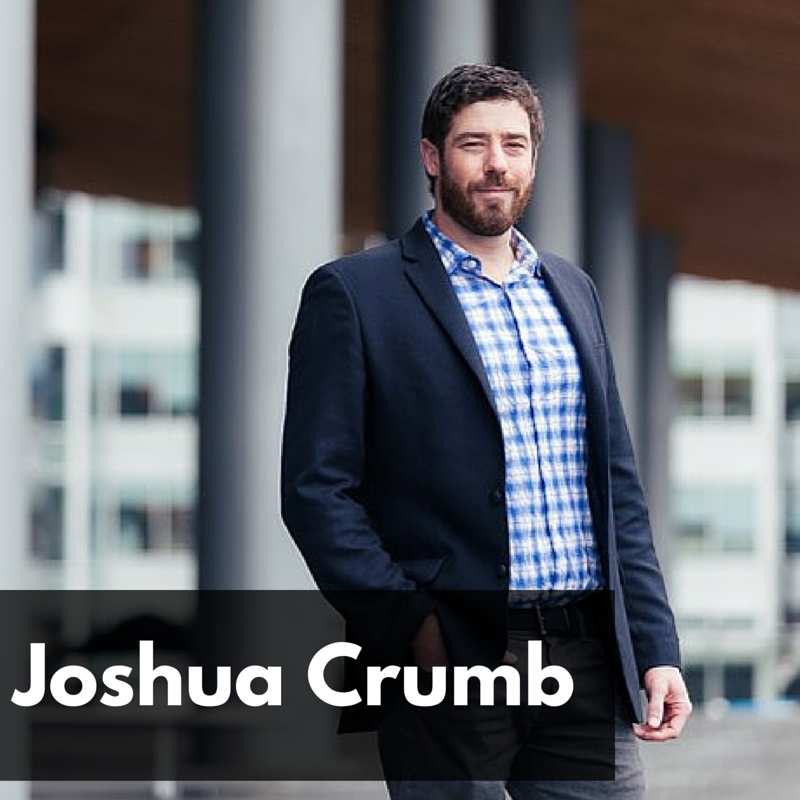
To start the show, Jason Hartman talks about an article he wrote on the two media types: the monologue and the dialogue. He also shares the six human needs as discussed by Tony Robbins. Afterward, he interviews the co-founder and Chief Strategy Officer of BitGold, Joshua Crumb. He explains what service BitGold offers and compares the risks between a saving account of gold and a bank account. Jason and Joshua also talk about inflation, the trends happening in the US economy, and the flaws in the federal system.
Announcer 0:00
This show is produced by the Hartman media company. For more information and links to all our great podcasts, visit Hartman media.com.
Announcer 0:13
Welcome to the creating wealth show with Jason Hartman. You’re about to learn a new slant on investing some exciting techniques and fresh new approaches to the world’s most historically proven asset class that will enable you to create more wealth and freedom than you ever thought possible. Jason is a genuine self made multi millionaire who’s actually been there and done it. He’s a successful investor, lender, developer and entrepreneur who’s owned properties in 11 states had hundreds of tenants and been involved in thousands of real estate transactions. This program will help you follow in Jason’s footsteps on the road to your financial independence day. You really can do it on now. here’s your host, Jason Hartman with the complete solution for real estate investors.
Jason Hartman 1:03
Greetings from Boca Raton, Florida and welcome to the creating wealth show. This is your host Jason Hartman episode number 605. Yes, I am traveling again today. Imagine that I am attending Tony Robbins date with destiny event. And I want to give a shout out to two of our wonderful clients. One is Elizabeth for introducing me to Deborah and Deborah is very involved with the Tony Robbins organization and she got me a room here in the Boca Raton resort which was sold out. You know, it’s funny how hotels always seemed that have another room. Is a hotel ever really sold out? I sure know airplanes are. Those are full. They packed people in the aisles, in the bathrooms if they were allowed to on those planes. It’s ridiculous. It’s a sardine can. You know that?
Anyway, hey, let’s talk about some good economic and investing stuff. today. Our guests will be Josh Crumb, and he is going to talk about inflation, deflation, stagnation, Bitcoin, Bitgold and gold as the yardstick for all of these things. And I gotta tell you, of course, we all know that the gold bugs have been so so wrong, oh, my God, they’ve been so wrong. And doesn’t this just go to show you how in life, you can have a very correct premise, and still reach an incredibly wrong conclusion. Now granted, to be fair, maybe they won’t be wrong forever. Maybe at some point in the future, gold will surge, and it will be $5,000 per ounce, like Peter Schiff predicted it would be at the end of Obama’s first term that didn’t come through at all did it it was the complete opposite. It was a disaster. Because, you know, people don’t look at the whole picture. You know, doing the math does not answer every question. It definitely does not answer every question. There’s a lot more to it than math, there are geopolitical considerations and all sorts of other things. So we know we’ve talked about that many times before, we don’t need to dive into it today.
And today, you’ll be glad to know I’m not going to play you any poor sound quality voxer messages, but we are going to fix that because I think that’s a valuable tool. And I’d love your feedback on it, by the way. And I’d love you to contact me on voxer so that I can answer your questions on the show. Just download the free voxer app Vo x er, in your app store for your theory smartphone. And then look me up Jason Hartman or j Hart 88 love to take your questions on the show through voxer because we can have a dialogue.
You know, isn’t it interesting how there are two medias in the world? years ago, this is gosh, this is probably 11 years ago now. I remember writing an article for a magazine on what I call and I totally made this up myself. You know, I just dubbed it the monologue media and the dialogue media. Now, the monologue media, that’s the old media, you know, that’s the media controlled by the book publishing industry, the movie industry, the TV industry, the newspaper industry, you know, this is a one way thing they get to produce a message and send it out to the masses. And they are controlled largely by the political left then you have the dialogue media and that really became very big with talk radio and and who was the guy that sort of reinvented talk radio Hey, love him or hate him. But you got to give him credit in the radio business, because that medium wasn’t doing well. Until Mr. Rush Limbaugh He lives right near me, I think in Florida here, right near where I’m visiting, I’m not I don’t live here, obviously, he really reinvented that. And the dialogue media is where, you know, on talk radio people call in, and they argue with the host, and they have dissenting viewpoints. And for that medium to survive, it also includes, of course, the newer media, the blogosphere, you know, blogs and even podcasts. And so what I’m saying is have a dialogue with me on the air. And the great thing about podcasting is it’s asynchronous, right? So I can produce the message when it’s convenient for me to produce, and you can listen, when it’s convenient for you, that is a true Win win. Not to mention that it’s free. And not to mention that you don’t have to listen to 22 minutes of commercials for every hour of content. Another beautiful thing for the listener, it’s a dialogue media so so voxer is another tool that goes in this direction. And if you look at it, just a slight little political comment, don’t hate me, I know a lot of you listen to disagree with my politics, and a lot of you agree with them. But even the ones who disagree, I appreciate and love you and appreciate you listening to the show. So I just want to say one thing about that. I believe that the dialogue media is controlled by the right or not even the right but the libertarian, see, I don’t consider myself a righty in the political world, or a, you know, or really a conservative that much anymore, I kind of used to be more of one. But they’ve alienated me a bit in more recent years, with some of their, you know, sort of old fashioned belief systems. But you know, whatever. I think a lot of those systems should be respected, not hated. But you know, just for me, I believe in freedom, I think people ought to be free to pretty much do what they want. And so I’m, I’m a libertarian, you know, I think small government is good government, we need government, but let’s keep it let’s keep it under control. Keep it small, because it just ends up invading us. But if you look at the one appearance on the dialogue media, the one appearance from the left, what was it? Do you remember? Well, I don’t I think I know they I think I know, I’m pretty sure well, I don’t want to say I know, I do think I’m pretty sure I’ll say that much. I’m 95% sure that they went bankrupt. And I don’t know if they ever reemerged. I don’t think so because I certainly haven’t heard about them.
Do you know what I’m talking about? Huh? Who is it? It’s Air America. Yeah, they were all over syndicated all over am talk radio for a while. And they were the one voice on that medium of the left of the political left. And they didn’t make it. So my theory about this is that if you have an idea that will withstand debate and dissent, like I hope my ideas do about investing and so forth. On the show, you know, you’ll do well in the dialogue media. But if you don’t, you won’t do well in the dialogue media. And you’ll be stuck in the monologue media, the old media where it’s a one-way conversation. Well, I can’t even say it’s a conversation. It’s a monologue. A conversation implies that it’s a two-way thing, right? So little interesting tidbit there for you. Now, last week, I spoke in a real estate conference, about rental housing, it’s called the Ironman conference. And a few of you asked for a recording of my talk, which I don’t have yet but they’re supposed to provide it. Maybe I’ll put it on the podcast.
And many of you asked for my slides. So guess what, you can have the slides. Just go to it’s super easy. Just go to Jason hartman.com slash I am en Let me see what would be the whiskey Tango Foxtrot. You know, those like pilots talk. And you know, I do have 33 hours toward my pilot’s license. I can fly a plane. Well, I know enough to be dangerous, but I have flown a plane several times. But I am in that would be India. Yes. It would be India, India, Mary Nancy. I don’t know those other two I think are wrong. But India, Mary Nancy, I am in Jason hartman.com slash I Mmm, you can get the slides for free there. And we’re going to be doing a lot more of this, by the way, a lot more material that we provide to you all free of charge, no charge for this stuff. And those slides that I mentioned several episodes ago when we talked about how various investment class sets act in different economic environments and why that’s important. I’m going to also create a page where you can go and download those slides as well. Anyway, those will be there for you.
I noticed that the IMF link was not immediately working when I tested it today. But I think by the time you listen to it, it will work. So Jason hartman.com slash i m n, get those slides for my talk, I think you’ll find those to be valuable. Meet the masters of income property is coming up. It’s just about sold out. I honestly haven’t checked, but we are going to cap it. We don’t want to be overcrowded. Always seems like we are at these events. So you got to get your tickets like literally right now. Okay, if you want to go, because it is just about sold out. There were eight tickets available. Last time I looked literally eight tickets. Before we get to our guests.
A quick thing on Tony Robbins, I want to remind you, you know, it’s, it’s great to be exposed to this kind of stuff. I discovered him so long ago when he was very early in his career. And I remember the first time I met Tony Robbins and shook his hand. I mean, his hand was ginormous, huge. The guy is like six foot eight. he’s a he’s a big person. And but he’s got some big ideas. And they’re really good. You know, he talks about this target the the forces that drive every human being the six human needs. And I know when I was at his unleash the power within weekend, a couple of months ago, I believe I talked about this a little bit, but I just give you a quick reminder, because I’m, I’m at a date with destiny conference today. And again, they’re coming up. So the first one is the need for certainty. We like certainty. And then some of us, and you know, these needs, we all have all of these needs, but it depends how we order them as to what’s most important and least important to us. And the next one is the need for variety. So those are contrary needs, right? You can’t have certainty and variety at the same time. That’s a paradoxical situation. So the next one significance. And then the one after that connection in love. And Tony says, that’s a paradox, too. Because if we are constantly seeking significance, then that’s about us, right? It’s about our being and what we’re contributing and what we’re doing in the world, and maybe the type of recognition we’re getting in the world. But the next need is connection and love. And he says those two are paradoxical as well. Because connection and love means we’re focusing more on the other person. And significance means we’re focusing more on ourself. Now, it admittedly, of course, significance if we’re going to be certainly people like look at Mother Teresa, right? The late Mother Teresa, she was very significant. And she had a lot of significance. But she was outwardly focused in her significance. Tony didn’t give that example, I just thought of that myself. So I hope that makes sense. But there are multiple ways to gain that significance, obviously, okay. And then growth and contribution, those are the six. Okay, he defines the last two is the needs of the Spirit, growth and contribution. And one thing he said interesting today that I hadn’t heard before, I hadn’t heard him say this before is he says, progress equals happiness. Progress equals happiness. So even if we don’t get what we want, as long as we’re moving in the direction of what we want, that will provide us with happiness, in fact, we all know a lot of times we get what we want, and it doesn’t make us happy. Maybe temporarily, it does. Certainly, you know, we get that new car, that new home, that new relationship, you know, it’s it’s great in the beginning, but then we start to take it for granted. And it becomes old. And, you know, it’s, it’s just just the way we are, you know, it’s the way we’re all wired. This is not, this is not any one person is that way, we’re all this way. One of the great things about understanding the human animal, is that we’re all basically wired the same way. It’s just interesting. You know, it’s it’s the same basic wiring, of course, we prioritize things differently. But we all have these same basic ideas and needs and so forth. And so, I’ll share with you a couple of the questions he asked us to write out the answers to this morning. The first one was, Why did you come here? Why did you attend? And so you know, maybe, if you haven’t been to this event, or you haven’t been to any of these types of events, why would you go what would be the reason you know, would it be growth, would it be social experiences, motivation, taking things to the next level fulfillment, whatever it is, right? Well, those were some of mine. Okay. I’m just reading what I wrote. And then number two, what would an extraordinary quality of life look like for you? And one of the things I think is a great exercise. And I remember doing this many, many years ago, I can’t remember who even gave me the idea. It might have been Tony Robbins, it might have been Earl Nightingale, Jim Rohn. I am not even sure. And we didn’t he didn’t have us do this today. But I just think it’s, it really aligns with what he was talking about, is design your perfect day. Write it out? What is your perfect day? What do you do? First thing when you get up? How do you feel? What do you do? And what do you do throughout that day? I think that’s a great idea. design your perfect day. Okay, and describe what your environment is like during that day, and what your thoughts are like and who you’re meeting and who you’re hanging out with, and all that kind of stuff. And then the third and final question, before we talk about how progress equals happiness, what’s prevented you in the past? What belief system has prevented you from getting there? Okay. And what I wrote down is improper focus, not focusing on the right things, and then allowing myself to be distracted by things that don’t get to that question number two, that extraordinary quality of life. I can’t wait to dive in. We’ve got six days of this. And if you know, Tony, they are long days, they’re like 10 hours, maybe 12 hours long. It’s crazy. We’ve got a lot more of it. So I will share with you some more next week after the whole event is done.
Let’s go ahead and get to our guest, Josh Crumb. Let’s talk about inflation, deflation and stagnation. We’ve got some awesome shows coming up some awesome events coming up. Of course, Jason hartman.com. Click on events to register for the upcoming meet the Masters, just a few tickets left, literally, it’s almost over, we cannot get a bigger room. Unfortunately, we are capped at this event. There’s no bigger room available. So when it’s done, it’s done. And also the venture Alliance mastermind trip our phenomenal trip coming up to Dubai. We’ve got some great speakers. One that we’re working on that I can’t I would so wish I could announce. But I just don’t want to say it. Unless we actually get them confirmed. Go to venture Alliance mastermind.com to check that out pets venture Alliance mastermind calm, and let’s dive in and talk to our guests Josh Crumb.
It’s my pleasure to welcome Josh Crumb to the show. He is co founder and chief strategy officer of bid gold. He also has a background as I believe he’ll probably correct me on the title as a precious metal strategist for Goldman Sachs. And it’s a pleasure to have him here today coming from Vancouver, Canada. Beautiful place. Josh, welcome. How are you?
Joshua Crumb 18:02
Hi, Jason. Good. Thank you. Thanks for having me. I think your timing was, you know, I know we scheduled this about a, you know, a month or so ago. So I think you have very pressing timing, given me everything that’s happening in the in cold and money.
Jason Hartman 18:16
We’ll talk about that. Correct your resume for me, Goldman Sachs. Tell us about your background real quick.
Joshua Crumb 18:21
Yeah, that’s correct. I was I was an economist and had a metal strategy for Goldman Sachs, in global economics and macroeconomic strategy division out of, out of London. So I worked with well-known economists like Jim O’Neill, you know, creator, the BRICS term and Jeff curry. You know, whose has been very, you know, very prescient in many commodity calls.
Jason Hartman 18:47
Excellent, fantastic. What What do you see going on right now in the metals markets, which are a great yardstick for, you know, what’s going on in the overall economy? I mean, gold has really done nothing in years. I’m honestly not a gold bug. I’m not really a fan of the metals much at all, although I own some, you know, I think, as an insurance policy, yeah, they’re fine. But I just don’t think people should really treat them as investments. Feel free to argue with me and debate with me on that, that makes the show more interesting. You know, of gold. If gold produced income, I would like it, and if it had tax advantages, I would like it even more. But, you know, what, what do you see going on out there? I mean, you know, I’ll just maybe give you a little more ammunition here, you know, with with this massive amount of money creation that we’ve had under Obama anism everybody’s wondering, why don’t we have more inflation? I mean, inflation has been really tame. Of course, the government’s always understating the numbers. So if they tell you 2% it’s probably four. You know, it’s still relatively low. Either way. What are your thoughts?
Joshua Crumb 19:49
Sure. Thank you. Yeah, no, I think there’s a there’s a lot to work with it. You know, first off I, you know, I agree with with one comment you made that the gold really isn’t an investment and I think it’s Actually, you know, starting with that point, it’s very important to kind of work backwards. That’s where I totally agree gold is not something that creates income and creates, you know, additional return and prosperity. What is it’s a savings asset, it’s something that retains value, and it holds value. And that that’s happened, you know, for for thousands of years. But even if you look at, you know, recently, you know, even over the last 10 years, there’s actually not a bank account, you know, that exists, where you could have just put, you know, savings without doing anything without investing, just put it in a bank, let it earn interest, and, you know, what do you have in 10 years, gold is actually
Jason Hartman 20:39
You have less.
Joshua Crumb 20:41
Exactly.
Jason Hartman 20:42
Secause inflation and taxes are destroying your wealth.
Joshua Crumb 20:44
That’s exactly it. And
Jason Hartman 20:46
So, so no, no one except a fool.
Joshua Crumb 20:48
So gold over time is not an investment. It’s not about you know, picking stocks, like, you know, competing with Apple or, or, you know, Google, what it is, is it’s something, you know, very low risk that you can just buy, hold, and it will maintain its value over time. And that’s what Gold’s role has always been, it’s, it’s not to make you rich, it’s protect you from from, you know, from being poor through inflation.
Jason Hartman 21:11
Okay, so certainly, you know, you, you can say that, and, you know, I’ve heard all the arguments and believed many of them myself, actually, that’s why I own a little bit of these metals, all the metals, basically. But, look, I mean, 5000 years ago, you could buy a toga and a pair of sandals, with an ounce of gold. Now, you can buy a man suit and a pair of shoes. We all know that. And that’s good. But you know, if you bought gold at what, 18 1900 dollars an ounce, and now you’re having to sell it for 1200, or whatever the current price is, I don’t know, is it really a store of value?
Joshua Crumb 21:45
So that’s, that’s exactly the you know, the problem that we often get trapped into thinking. You don’t build savings all at one time, I’m gonna rotate all of my savings into, you know, into something at once. It’s something you accumulate over time. So it just depends on when you pick your starting point, if you pick your starting point at 1800. Sure, but let’s just go back three years before that, and you know, pick the starting point at 700. So, so that’s, that’s really the point is, if you v whap, or, you know, you average into gold, you know, saving $1 a day or $40 a month, that’s where gold unequivocally outperforms any bank account that’s ever existed. And so, so it’s just another savings medium. But but but there’s, you know, and now, I’ll get back to your other question about inflation. And this is the most important part, you know, you mentioned a toga suit, you know, that’s all fine, we think about consumer goods. But the far more important thing is, gold holds its energy store value over time. It’s, it’s if you if you measured it against a basket of food or, or energy or utility bills, you know, measure that over 10 years, 20 years, 1000 years, the relevant of currency, gold holds its commodity value. And so so that’s very important.
Jason Hartman 22:57
And does it just hold it? Is it? Josh, in your eyes? Is it just holding? Is it even? Or is it is it actually improving? You’re not you’re not, you’re not improving, but you’re, you’re you’re holding your own, you’re treading water, which is better than you’re going to do in a bank account? We know.
Joshua Crumb 23:12
Exactly. And that’s, that’s exactly what it’s supposed to be. And and I also argue that it depends on really what what is your cost of living, if your cost of living is, you know, 30% commodities, you know, your utility bills, your gasoline bills, your food bills, which is, even in the Western world, it’s probably 30% or more is directly related to energy, or commodities. So in that case, you should be trying to hold somewhere around, you know, as much as 30%. Know, for those that are far more well off, that that that level can be much, much lower as a proportion of their income. But that’s, that’s the important metric that I always use. And I and it doesn’t appreciate you mind, you know, you might enter your mind gold from the earth with the same amounts of energies and with the same cost structure as you pull anything else out of the earth. So so that’s really where it gets its mathematical equivalence. It’s not growing, it’s just holding its value.
Jason Hartman 24:02
Okay. All right. Well, let’s settle for that. That’s not bad. I mean, it’s certainly better than than just a good old savings account. How does it compare to Wall Street? I mean, you’re a wall street guy. I like to, I like to tease Wall Street and give them a hard time and call them the modern version of organized crime you might agree with that most Wall Street people do. Even if they’re part of it,
Joshua Crumb 24:23
I’ll still be a little bit careful because of my background, but I’d say directionally I do agree with that. But But I don’t think it’s I don’t necessarily believe its intent. I you know, at least you know, at least the economists that I worked with at Goldman actually were very good people and really, you know, believed in the in the in the work they were doing, but the you know, it’s it’s it’s really more the system is designed, you know, we have a policy that that and again, I’m not even want to debate I just want to say what it is. We have a policy that’s trying to design maximum growth and you know, increase aggregate demand by every dollar of wage out of your labor, they wanted to depreciate it as fast as possible. So you’re in Venice, you’re incentivized to, to maximize growth by spending it, you know, so we’re on this treadmill all the time where we can’t just, you know, spend our time working, be productive, and then save that until when we need it, we were forced onto this treadmill to always be, you know, investing more or spending more. And, and that is, the problem is, is, you know, that’s why all of Wall Street exists, because they’re, they’re the ones constantly creating new products, you know, so you can keep up with this hamster wheel of of just maintaining your value. Does does that make some sense?
Jason Hartman 25:39
Yeah. Yeah. Okay, so So where are we going? You know what, it’s interesting to hear your perspective. And I like your balance, you seem to have a very balanced view of this. I’m glad you didn’t come on and tell me silver is going to $75 an ounce. And you know, gold is going to be 5000. It’s interesting that Peter Schiff, who’s been on the show, in 2007, he predicted or in 2008, maybe, I think it was then President Obama, not candidate Obama, he said that gold would be $5,000 announced by the end of Obama’s first term, and the complete opposite happened. So I like that, you know, you seem to have a reasonable view of that. But But where are we going? I mean, look, we’ve got all this money sloshing around, or I shouldn’t call it money, I should call it currency, which you’d you’d agree with me? It’s not certainly not money. Yeah,
Joshua Crumb 26:28
Exactly. No, I appreciate the differentiation, that that’s important for us, too. I completely agree. And, and, and yeah, and that’s, that’s the important part. Currency is just this, you know, this Ferris wheel that you have to get in and off between the things you actually need or want. Correct. So So the reason I say say things with all that sort of balance, I can’t predict what currency is going to do a currency is the system that’s floating of floating systems of debt and, and speculation and, you know, trust and confidence, gold is just this piece of metal that has an energy cost, that is equivalent to other things you need. So what I can say unequivocally as in 10 years, 15 years, your amount of gold, you know, purchasing your, your gasoline, or your food bills will be relatively flat, I have no idea what happens to the price of gold measured in a floating currency between now and then. But you know, so that that’s, you know, that’s the the first part that that’s, you know, that’s quite important. So addressing your the comments from Peter Schiff, I don’t want to live in a world that gold goes to 10,000 because that means that my food costs went up 10 x as well. And my wages probably didn’t match that. Just given the nature of the system. So So again, I you know, for me, it’s all really about math, and these, these, these fundamentals of, you know, physics and economics, it’s not about, you know, scaring people or trying to push them into, you know, a certain ideology.
Jason Hartman 27:52
Okay, so where are we going, what, tell us more about where we’re going, because, you know, I’ve been buying real estate with a, you know, a philosophy that inflation just has to come. And one of the core things I love, you know, with income property, you’re going to hit a home run in an inflationary environment, that’s pretty obvious, you’re going to do okay, in a deflationary or stagnation airy environment, because in those environments, you’re just looking for yield. And if you can get the yield from the cash flow, regardless of what the capital price of the investment does, you know, you’re okay. It’s not a home run, though. But in an inflationary environment, especially because of what I call inflation induced debt destruction, where not only does the the price, you know, which is we can argue real and nominal dollars for sure, Josh all day, which would be valid, but not only does the price of the asset increase the price of the commodity, but that the debt is debased by inflation. And that is the hidden wealth crater. That’s the that’s the home run. That’s just beautiful.
Joshua Crumb 29:00
Yeah. And, and, Look, you’ve got a almost 40 year track record of, you know, constantly increasing debt to, to show that that, yes, you know, a leveraged asset like, like real estate, particularly if the income can keep up with paying, you know, paying the service on the debt, that it will appreciate faster than, you know, an asset without leverage. So, you know, I don’t think there’s anything fundamentally fundamentally wrong with your rationale. I guess I just, you know, it really depends on on, you know, one the timeframe and also the nature of your audience, you know, us us millennials, and I am right on that, that borderline, but my, you know, business partner and all my employees and team, you know, we’re all you know, millennials, we don’t really have that, like, you know, we don’t have, you know, between student loans and everything else. How do you actually get into that system where you can have that first property to leverage into the next one. And that’s the problem is is, you know, for someone that just wants to keep up, you know, buying $10 of gold, worth At a time on BitGold is is much easier than you know, you know saving saving a depreciating dollar to get that first mortgage or that first down payment, right?
Jason Hartman 30:09
Oh, yeah. Because it’s it’s far more divisible so that that’s great. Okay, so just let me ask you the question. Well, let’s hear about BitGold. But
Joshua Crumb 30:16
I don’t think I’ve answered your question on inflation.
Jason Hartman 30:20
Yeah, yeah. what’s the what’s coming is are we are we going into an inflationary environment, a deflationary environment, just general stagnation, or, God forbid stagflation, which is really ugly.
Joshua Crumb 30:31
So there’s, there’s two pieces to the, to the, to the trends that are very, very important and to and they’re actually somewhat independent, what’s happening in monetary policy is really driven by wage inflation. And then that’s something we really haven’t had in, you know, probably 20 or 30 years, you know, real wage inflation. The second part of it is commodity price inflation, which is, is very much driven by technology, and what’s happening in in energy and resources, which is global in nature and not specific to any country. So, you know, whether it’s the price of gold or or just generally prices stabilizing over the last few years, you know, like grocery bills, most of that has been because of technology nothing to do that the Fed is doing it’s it’s the shale oil boom, has really changed the game globally and energy. So so that’s that’s a that’s a positive tailwind for for people and consumers. However, what the Fed is doing and has unequip, you know, it has stated very, very strongly in this, you know, over the last, you know, with the last month or so, is that they’re gonna wait till they see any real sign of wage inflation until they raise rates. So So basically, they’re not going to be pre emptive, they’re going to be reactive. So So in my mind, you know, I think the energy deflation has played out, I you know, what, if short term oil prices might keep falling, but the real, you know, anchor point, the cost of producing new oil is going to start flattening out. And and we will start seeing inflation because that’s their, you know, they’re telling us they want inflation, and we will see it, they won’t fail at that.
Jason Hartman 32:09
Right. Right. Yeah, they can create inflation, if they want to, there’s just, I mean, I have never understood the argument from the deflation is that say, well, they just can’t create enough money to reverse these, of course they can, the amount they can create is unlimited.
Joshua Crumb 32:27
And it’s ridiculous. And so you know, their basket, and I don’t want to get too far into the CPI basket issues. But But you know, let me ask you this, anything that matters, health care, education, food prices, or any of these going down? And, and so and so this, this, this argument, and it’s almost 99% accepted that we have no inflation? Except if you look, talk about a micro industry that matters?
Jason Hartman 32:52
And when you when you say no, you mean you mean very low, right? You mean with the exact target, right? So you don’t really mean no inflation, that’s, that’s a figure of speech.
Joshua Crumb 33:03
Exactly. Everything I’ve been talking about, we’re talking about five to 10%, compound inflation, over, you know, long, long cycles, this isn’t anything that’s short term, I mean, and, you know, education prices, or healthcare prices, these aren’t going up by one or 2% a year. And so, so that’s, that’s the importance of having a savings meeting where you can actually hold your wages. And, you know, my, my co founders, a former Portfolio Manager, and he made a very interesting point, in today’s environment, you know, just to keep up with the the, you know, sense since gold was was demonetised. In the 70s. Protein prices, meat protein prices have compounded by five to 6% a year, over, you know, decades. So, in this environment, you’ve got to be Warren Buffett, just to keep up with the price of food. You know, that’s how out of whack our financial system is, you know, forget the, you know, point two 5% you get at your bank, you know, have to get the returns of Warren Buffett to keep up with food prices.
Jason Hartman 34:02
Yeah, that’s, that’s really interesting and sad too, definitely. Okay. So would it be fair to say that your, your basic prediction is that inflation is coming on? Or is that not right?
Joshua Crumb 34:16
I believe so. Yeah. I mean, I think inflation has always been here. And it’s, and it’s going to increase. I mean, you had QE one, and then you had QE two, and you had, you know, you know, at some point, you know, just like the European Central Bank, they’re going to do whatever it takes to create inflation, you know, they’re pushing so far into their theoretical toolbox, that they will make something happen.
Jason Hartman 34:37
And the government has a real, very legitimate incentive to have inflation. I mean, there’s not only the Phillips Curve argument, but there’s also just the fact that they get to debase their own debt to foreign countries and it’s a great deal for the government. It’s, it’s an awesome deal.
Joshua Crumb 34:54
Yeah, but I you know, again, you know, I, you know, we started this business on the mathematical properties of gold. For savings, and I really, I actually am probably more left when it comes to those things. I I don’t think there’s any grand conspiracy. I think they’ve been very, very fooled by the academic central planners, you know that this is somehow good for everybody. And, and so I don’t think there’s any, you know, government reason why they’re trying to you know, deflate their debt, I think they honestly are trying to get wage growth. But the fact that they can’t get wage growth means that they have to, you know, create social programs, to, you know, a social safety net, which is getting more and more expensive. So I don’t see it as any grand conspiracy. I just think it’s, you know, a flawed policy that, you know, we need to have a more open debate and not a, you know, an absolute monopoly on academic thought when it comes to economics.
Jason Hartman 35:50
Yeah, right. Right. And, and, you know, that’s, of course, one man’s opinion, you know, nobody knows if it’s a conspiracy or not, except the conspirators if they exist.
Joshua Crumb 36:00
Well, well, having worked at Goldman Sachs, I heard my fair share of conspiracies that I sat in the room, and I can honestly say that we were just trying to figure it out just as much as the next guy.
Jason Hartman 36:12
Right? Yeah, very interesting. Well, good. Okay. So tell us about BitGold. What, what is it? And what does it do? And why is it important?
Joshua Crumb 36:19
No, I appreciate it. You know, we spend a lot of time on the macro. And, you know, it’s, it’s for all the reasons I just said, you know, because I know, we believe in, we believe in this so passionately, we just wanted to make it as easy as possible for anyone around the world to buy gold, you know, buy it, you know, $1 at a time, right from their mobile phone, while they’re standing in line for you know, a coffee, and not have to think twice about it, you know, so just like any other great technology, we’re democratizing access, lowering friction, you know, offering a better user experience, you know, all of the things that the technology is doing. And so we just want to, if you will, you know, disrupt the consumer gold market in a way that we don’t have, you know, you don’t have to go to a coin dealer and pay five or 6%, you know, to buy gold, and you have to buy it at a minimum of, you know, 1000 bucks at a time. Now, you can buy it, buy it a minute at a time, you know, over cell phone. And, and that’s really, that’s really what BitGold is all about is just making it easy.
Jason Hartman 37:21
Okay, so so it’s basically a way to buy gold. Now, where is this gold stored? And how do people get access to it?
Joshua Crumb 37:30
Yeah, so so that’s what we really thought long and hard about is, is what’s the best way to manage this. So there’s, you know, so it lowers the risk and, and we are publicly traded. So, so that, you know, for us, that’s also a way to increase transparency and trust in our in our in, you know, in our business. But, you know, you get to choose, we have written now we’ve got, I think seven vaults, open Brinks vaults, you know, so, you know, Brinks manages the gold, and it’s insured by Lloyds of London, but you can store your gold in Toronto, New York, Hong Kong, Singapore, Dubai, Zurich. And we’re gonna, you know, open more more vaults to come. But but it’s essentially an online bank account, or even paypal account, and I’ll get into the payments piece in a second. But it’s a way for you to own gold, just like you don’t have a savings account or bank account, but also be able to use it, spend it and have a debit card with it, and that sort of thing. So it’s, it’s really a gold a gold backed bank account.
Jason Hartman 38:31
Okay, so they then people would never actually access real gold, right? They would only trade in the, basically the symbol of the gold, which is the, you know, that stuff attached to the account, like the ability to buy and sell like PayPal, they don’t actually ever see any gold or do they if they want to?
Joshua Crumb 38:52
Well, they do. Yeah, we actually meant 10-gram cubes. So that’s much less than you know, that it’s about a third of an ounce, or, you know, three 400 bucks. And you know, because it’s like a bank account with your address information, you press a couple of buttons, and we actually ship your gold right to your house. You know, so So yeah, so it’s fully redeemable. It’s, you know that the ethos of the business is fully redeemable fully allocated, we’re not really lending it.
Jason Hartman 39:17
Oh, that’s, that’s, that’s really interesting. So they can be just basically buying the gold through you. And then, at some point, when they’ve got a third of an ounce, they can say, well shoot me that third of an ounce and they you can they can stick it in there. They’re safe.
Joshua Crumb 39:31
Exactly. That’s, that’s exactly it.
Jason Hartman 39:33
But how can you do that? Because they must have to pay some handling fees or, you know, premium above spot price or, you know, and what do you do? Like, how do you dollar-cost averaging? I mean, that’s got to be just incredibly complicated. No?
Joshua Crumb 39:47
So all of our business was designed and it is complicated. We built a lot of partnerships. You know, but but we didn’t want to reinvent the wheel like all of these, you know, great technology companies. We just want to be the software that aligns It makes everything efficient in between services that already exist. You know, Brinks is already out there, the big bullion banks are all already buying and selling gold in a large deep liquid market. And so so what we did is, you know, we actually make it very, very simple, don’t have to think about it 1% to get in 1% to get out, that’s it. You can buy gold for 1% you can redeem gold for 1%. And we’re getting, you know, wholesale or spot prices from the big bullion banks. And as far as shipping, we’re just passing through the you know, Brinks ships, metals and secure goods and all that. So there is a fee, I mean, you know, there is a physical cost for shipping. But our company is not capturing any of that. We want to lower the friction and lower the costs as much as possible. So it’s just very simple to think about 1% in 1% out, that’s it.
Jason Hartman 40:49
Okay, and then pay Brinks to bring it to your door. What happens a Brinks truck shows up a Brinks truck shows up at your door?
Joshua Crumb 40:55
Yeah, it’s $25. And, and, and, and, you know, there may be a variable shipping rate, and it just shows up,
Jason Hartman 41:02
You know, that’s interesting. Maybe Tell me about this. I mean, you know, I’ve purchased metals, you know, from from places, they just send them us mail, I can’t believe it, it blows. Yeah,
Joshua Crumb 41:16
It actually brings up a good point about the real value of gold. If you think about it, you know, shipping an iPhone is, you know, 700 bucks to so it’s really no different. But but but people, you know, intuitively know that that gold is permanent and something something, you know, beyond the value of an iPhone, even though they’re nominally the same price. But But yeah, I mean, again, insured shipments, no matter what it is, is an insured shipment. So you just have to pay the cost for those logistics.
Jason Hartman 41:46
Yeah. Interesting. Okay, what else should people know?
Joshua Crumb 41:50
Yes. So So after, you know, after the first part, the the savings part, the second piece is be able to access and spend your gold. And so that’s where we issue a MasterCard, prepaid card, where you’re actually able to load you know, load from your gold account, and spend traditional points of sale or online, you know, anywhere that MasterCard is accepted. So this is the first time you know, you’ve been able to actually spend gold from a from a gold savings account. And, and in the future, we’re actually working on partnerships to make it more like a PayPal, where merchants will actually start accepting gold directly. And the main advantage of that is, if you think about overseas markets, is there’s so much friction, going, you know, you typically the consumer pays two and a half percent or more in an exchange rate, even going to say across Canada, you know, buying something in Canada. And then also on the merchant side, they’re paying two or 3% to process a cross border transaction. However, if you’re just sending the value of gold that’s not moving, it’s just sitting there and it brings fault. But if you’re sending the value, the title of that goes back and forth across the border, it’s much, much cheaper. And so so in future, we will start getting into things like remittance markets and sending money around the world by by using using your old account. So step one that’s available now is really the gold savings account. And that’s the gold MasterCard. But step two is building out a global merchant network, where you can start using gold like you use your PayPal account.
Jason Hartman 43:27
Yeah, very interesting. So you know, the gold bugs, and I know you’re not a gold bug, and I appreciate that. Or maybe you’re not, you know, they always say, Well, you know, the dollar and every currency on earth is fiat currency. Fiat, of course, means by authority or by decree. And you know, it’s, it’s, it has nothing real backing it, it’s just a symbol. It’s fiat money. Well, things like Bitcoin gold, isn’t that just fiat money to I mean, you know, it’s, it’s a symbol of something that a company says is there, nobody really knows until they have it shipped to them. You know, a lot of people have stated that they think komax is a Ponzi scheme. You know, how do they know what’s going on with bit gold?
Joshua Crumb 44:14
Yeah, so the important thing is, you know, what, let’s compare the risks and compare those trust issues. The banks tell you that they’re lending out, you know, 90% of your money. So you already know it’s not there. And I don’t want to get into all that, but and that’s through fractional reserve banking. Exactly. So so. So are your though what what we can assure is, is you know, we’re a publicly traded company with quarterly financials quarterly audits, all of the systems and controls, you know, every quarter where you know, our gold or gold balances, and this is not in our company accounts, but this is segregated accounts, you know, for on behalf of the customer. You know, our whole legal framework is is called bailment law. Where, where it’s always your old, it’s always your title, we just manage the instructions without gold. So we every time you buy gold on our platform, it has to physically exist. And it doesn’t actually confirm until Brinks says that that gold is sitting in our cage and allocated to you. So there’s checks and balances all the way through the system, you know, in our whole legal structures designed that way. So to assure that you always have physical, you know, backed gold in your account.
Jason Hartman 45:30
But is there anything I didn’t ask you, Josh, that you should just talk about? You know, maybe maybe something I just didn’t think of? What do you want our listeners to know, other than what you said?
Joshua Crumb 45:39
No, I, I think just the just some of the growth metrics of the company. I mean, we only launched about four and a half months ago, we’ve already signed up over 350,000 people making us one of the fastest growing, you know, FinTech or financial technology companies out there. And, you know, this message is, is really resonating with people that, you know, this, this is not about being a gold bug, this is this is about, you know, just having a stable bank account, it’s got thousands years of math behind it, where it’s never not helped me with the value of commodities. And so, so So, you know, I think, I think, you know, I, the easiest thing to do is to, you know, open account and try it, it’s free, there’s no obligation to just, you know, you sign up and we designed it very much like the tech companies where it’s easy to sign up very, very smooth user experience. And, you know, just just, you know, give it a try and watch, you know, watch how gold holds value over time.
Jason Hartman 46:35
Yeah, good. Good stuff. Well, hey, Josh, thank you so much for joining us today. And is the website just BitGold.com?
Joshua Crumb 46:41
That’s correct. BitGold.com. And in the public companies actually called gold money. You know, for us it’s really
Jason Hartman 46:48
Oh. It’s James Turks company.
Joshua Crumb 46:50
Exactly. We actually after, after Roy and I founded BitGold, very shortly after, actually, we we ended up acquiring James Turks company. So the parent company is now called BitGold, but but it’s managed by Roy and I and, and James is still on the board.
Jason Hartman 47:06
Okay, who’s Roy?
Joshua Crumb 47:08
Sorry, Roy is my co-founder and the CEO of Goldman. Good stuff.
Jason Hartman 47:11
Well, Josh Crumb. Thank you so much for joining us.
Joshua Crumb 47:13
Thank you very much for having me.
Announcer 47:15
I’ve never really thought of Jason as subversive. But I just found out that’s what Wall Street considers him to be.
Announcer 47:23
Really. Now how is that possible at all?
Announcer 47:25
Simple. Wall Street believes that real estate investors are dangerous to their schemes because the dirty truth about income property is that it actually works in real life. I know.
Announcer 47:35
I mean, how many people do you know not including insiders, who created wealth with stocks, bonds, and mutual funds? those options are for people who only want to pretend they’re getting ahead.
Announcer 47:47
Stocks and other non direct traded assets are a losing game for most people. The typical scenario is you make a little you lose a little and spin your wheels for decades.
Announcer 47:58
That’s because the corporate crooks running the stock and bond investing game we’ll always see to it that they win. This means unless you’re one of them, you will not win.
Announcer 48:07
And unluckily for Wall Street, Jason has a unique ability to make the everyday person understand investing the way it should be. He shows them a world where anything less than a 26% annual return is disappointing.
Announcer 48:23
Yep. And that’s why Jason offers a one book set on creating wealth that comes with 20 digital download audios. He shows us how we can be excited about these scary times and exploit the incredible opportunities this present economy has afforded us.
Announcer 48:37
We can pick local markets, untouched by the economic downturn, exploit packaged commodities investing and achieve exceptional returns safely and securely.
Announcer 48:48
I like how he teaches you how to protect the equity in your home before it disappears and how to outsource your debt obligations to the government.
Announcer 48:56
And this set of advanced strategies for wealth creation is being offered for only $197
Announcer 49:03
To get your creating wealth encyclopedia book one complete with over 20 hours of audio go to Jason hartman.com forward slash store.
Announcer 49:12
If you want to be able to sit back and collect checks every month, just like a banker. Jason’s creating wealth encyclopedia series is for you.
This show is produced by the Hartman media company All rights reserved for distribution or publication rights and media interviews, please visit www dot Hartman media.com or email media at Hartman media.com. Nothing on this show should be considered specific personal or professional advice. Please consult an appropriate tax legal real estate or business professional for individualized advice. opinions of guests are their own and the host is acting on behalf of Platinum properties investor network, Inc. Exclusively