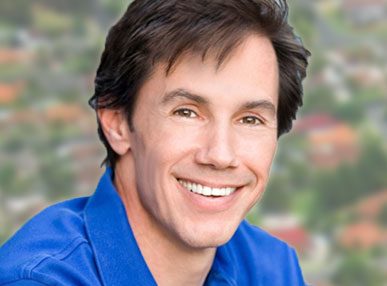
Jason Hartman begins the episode by sharing his thoughts on the government and whether the Trump administration will be good for real estate investors. Later, he welcomes Michael Quarles to the show. Their discussion starts with the tax bracket and how the increase in interest rates and lower tax rates affects the average consumers. Michael and Jason also talk about the good old days of simple interest rates, small government, and inaugural speeches of the past.
Announcer 0:00
This show is produced by the Hartman media company. For more information and links to all our great podcasts, visit Hartman media.com.
Announcer 0:12
Welcome to the creating wealth show with Jason Hartman. You’re about to learn a new slant on investing some exciting techniques and fresh new approaches to the world’s most historically proven asset class that will enable you to create more wealth and freedom than you ever thought possible. Jason is a genuine self made multi millionaire who’s actually been there and done it. He’s a successful investor, lender, developer and entrepreneur who’s owned properties in 11 states had hundreds of tenants and been involved in thousands of real estate transactions. This program will help you follow in Jason’s footsteps on the road to your financial independence day. You really can do it on now. here’s your host, Jason Hartman with the complete solution. Real estate investors.
Jason Hartman 1:03
Welcome to the creating wealth show. And this is what episode is this? I don’t even know because I can’t look right now. I think it’s number 782 or 783. In either case, there’s a lot of episodes here. So, look at the back catalogue, listen to it. And check that out when you have a chance. This is your host, Jason Hartman. And thank you so much for joining me today, we are going to talk with a guest about you know what, what we’re talking about lately, what we have to talk about, love him or hate him. We have a new president, and things are going to change. And I gotta tell you, what is so absolutely inspiring to me. And this is in a completely a political statement there is there’s not an ounce of political opinion here. It is just a lot of gratitude, frankly, when I watched the inauguration last Friday as we were starting our our venture Alliance predicts Before our meet the masters of income property event, our big annual event that we had here in Irvine, California. I was watching it and I tell you, it gives me goosebumps. Yeah, that’s what my ex girlfriend Shannon used to call it boot camps, not goosebumps. Your kid probably says that that way, dude. She was always just being kind of funny when she said it. It gives me goosebumps when, when I see a picture of President Obama and and now President Trump together, shaking, hands hugging. And here you look at these two people that are diametrically opposed in virtually every way. They’re at the complete opposite ends of the political spectrum. that most of you listening Of course, we have listeners in 164 countries. And if you’re not an American, you probably live in a free or at least relatively free You know westernized country, a democratic country, or you wouldn’t be listening to this, if you don’t? Hopefully, these types of political systems like the American system, are seen as an example around the world and and to humanity have the right way to do things. And you see these two people together that are, frankly, enemies, they have completely different belief systems about how the largest most powerful country on Earth should be run. And yet they gracefully transfer power. You know, there’s no coup d’etat. There’s no need to call in the military. Yes, there are some protests and a lot of protesters out there who don’t even know why they’re protesting frankly. And if you’re wondering if I have evidence for this, I do. I have very direct evidence because a couple of my friends were at the inauguration. They were at the protest marches the following day in Washington, DC, and they took their smartphone with the video camera and walked up to people and asked them what they were protesting what they were concerned about. And a lot of times, the protesters, they basically said they didn’t know not in so many words, they just, they just were a lost soul looking for a cause. And, you know, anyway, whatever, but they have the right to protest. And that’s great, too. I absolutely love that. That is that is wonderful that, you know, the First Amendment provides for freedom of assembly. And that means people can assemble together, and they can protest and call their government to account that has a wonderful, wonderful thing. Let’s hope that it never, ever disappears. And let’s hope that the countries that don’t have that catch on and the people that are oppressed rise up against their government and hold their government accountable and, and make them allow that type of protest. So, you know, let’s let’s just hope that that happens. But that’s what really amazes me. Trump’s inauguration speech, of course, was very different. I believe it was a historical inauguration speech. And this, again, is is somewhat a political statement, even though, given the two bad choices that we had in the election. And yeah, I think they were two bad choices. I supported Trump because I didn’t support Hillary and, you know, that’s no surprise, no, no one’s hearing new new things here for the first time when I say that, but given that choice, you know, we always go for, as they say, the lesser of two evils. And, you know, whatever your opinion is, I gotta tell you, I think that inauguration speech was on par with some of the famous historical inauguration speeches, when Trump said that something the fact that I’m not looking at the transcript right now, so I can’t remember Exactly how he said it. But when he basically said, We are transferring power away from Washington, DC, and transferring it to you, the people. I mean, that was really inspiring. Now, who knows if he’s going to do this, who knows if he will keep that promise, who knows if he’s really going to drain the swamp, who knows if he’s going to be able to do this even if he wants to, right. But the idea that government should be less powerful, and people should be more powerful, really started way back with the Magna Carta. And then the second wind of that, which gives me goose bumps was the United States Constitution. And many other countries have fallen in line over the years. Well, really over the centuries. And thankfully, so. But, you know, there’s an old saying that I’m certain I’ve said on the show before, the bigger the government, the smaller the citizen, the bigger the government, the Smaller the citizen. So government gets smaller, then the power, the rights, the freedom of the individual, that’s you become larger. So I think we always need to keep this in check. The only good government is a small government. Yes, we need government. I’m not an anarchist by any means. I like law and order. I appreciate what the police do. I appreciate what government does. But like Dan Sullivan said on a prior episode, he said if you look at any government building, and say the government building is 10 storeys tall, you know, it’s like it’s, you know, rather moderately high rise building 10 storeys tall. Let’s keep the first three or four storeys of that building and eliminate the top six or seven storeys, meaning that we all like and appreciate while most of us do at least like and appreciate the government. We can see the Government we can see. But the government, we can’t see those bureaucrats and administrators and all the people pushing paper around and, you know, protecting their turf and trying to justify their existence with some new government program. Ultimately, all those programs diminish our rights as citizens. So we’ll see, you know, I mean, I don’t know how this Trump presidency is going to turn out. But I tell you what, we’ll know in 100 days, you know, we’ll have a pretty good idea what that first hundred days is they always talk about, that’s when we’ll see but I think love them or hate them. Like I said, I think it’s going to be good for real estate investors. I think it’s gonna be good for the economy. Now, listen, real estate investing in the economy aren’t all things in life. There’s there’s more to it than that. You know, there’s lots of other issues that government has to tackle besides the economy, but the economy is a big one. I will tell you that in my new Tesla, as you know, I’m on my second Tesla. And Ilan Musk, I guess his meeting with Trump today. That’s great to hear. I love that. But Elon Musk leans liberal, you know, he leans to the left, at least that’s my understanding I maybe I’m wrong. And, Ilan, I’d love to have you on the show. Anytime you want to come on and talk. You know, we’ve had some, some pretty famous big people on the show. So you know, you’re invited. I just think Ilan musk innovation and some of the stuff he does is just it’s phenomenal. You know, I’m on the second Tesla, you know, my, my new one, you know, he sensors, you know, I don’t know if this is some big conspiracy, but it’s interesting, because the only two talk stations you can listen to are basically an NPR station in the marketplace. Right. And abc news, both left leaning news sources, you know, my hard argue with that. But I was listening to one on Friday, as I was driving from Las Vegas to to Irvine, California for our event or actually Thursday, sorry, Thursday, I was listening to this. I was listening to marketplace. And the reporters went into Michigan and went into a city where the democrats basically won the vote for for many, many decades. And, you know, one of the reporters stuck a microphone in front of a woman and asked her Look, why why did this this town? vote for Trump? What How did Trump carry this? You know, instead of Clinton, this is a democratic area, and it’s been democratic for decades, you know, basically, I mean, I don’t know if the reporter said all that I might be. I’m certainly using a little license here because I’m kind of recalling it but but that’s the idea. Okay. That’s what the reporter asked. And the woman basically responded with something to the effect of you know, all We heard Hillary talking about was identity politics. And, you know, essentially, what are some of these second and third tier issues? I know they’re not that everybody I certainly understand. And I have already said that the economy isn’t everything. I get it. Okay. But her answer was, you know, Hillary was talking about identity politics. And people here, we just want a job. Yeah, that’s right. We just want a job. And I think that’s what we’re going to see out of this administration, we’re going to see higher wages, that’s going to translate into higher real estate prices, that’s going to translate into higher rents. And it’s going to transfer into a softer element of that. I believe it’s going to transfer into higher while not higher, but more stable tenants, better quality, more stable tenants. So even if the rent doesn’t directly increase, and the price doesn’t directly increase now, you know, we’ve got a business cycle to deal with. And if I had time, this weekend that our meet the Masters event, I was planning to talk about the business cycle. And I’ll tell you, we need to make this a three day event. We cannot squeeze all this into two days. And I took a little survey of the audience yesterday when we before we concluded the event and, and most of the room said, we would be happy to see this be a three day event. There was a lot we didn’t get to cover it meet the masters. So you’re going to hear it on the podcast and maybe I’ll even make a private podcast just for the attendees a private episode, possibly where I’ll talk about some of the stuff I really wanted to talk about it masters that I didn’t get time to but you know, we fill that time with a lot of other great speakers and, and so forth. And, gosh, I’m at the risk of losing my train of thought here, aren’t I again? Yes, I tend to do that. going off on tangents. But the business cycle Yeah, there’s my train of thought the business cycle basically is one of the threats, I think Trump will have to an economic recovery. The other one is Janet Yellen who does not seem like a Trump fan at all. Now, he’ll get to recommend a new Fed chair here. And when the term is up, but, you know, who knows which way that’ll go, these are wild cards, but interest rates are going up. And that’s that’s a concern. So that is an urgency for you, investors listening that you really want to buy more properties, because, and one of the things I said to the audience yesterday, as I said, Look, if you buy the property now, and rates go up, you’ve locked in for three decades. Think about it. You don’t need to make the last payment on that mortgage or really, you don’t pay your mortgages because your tenants pay them for you right? The last payment on that mortgage will not be made until 2047. Yes, three decades from now. 2047. Can you imagine how much the world will change? By 2047? I’ll tell you one way it will change. There will be 100 million more people in the United States. I think that’s going to be pretty good for the price of your real estate and the rental value of your real estate. 100 million more people that need a home. Very, very significant for sure. But what if rates go down? Well, you basically have purchased for yourself an option, because now you own the asset, and you can refinance it at the lower rates later. It’s the best of both worlds. And that brings to mind the statement. Don’t wait to buy real estate. buy real estate, and then wait. Don’t wait to buy real estate. buy real estate, and wait. Now of course you got to follow my 10 commandments. There’s a lot more to it. Yes, you hear all the time. on the podcast and in my home study courses and so forth and in our live events, but that basic idea is very solid, I believe in certainly it has worked for 10s of millions of Americans, and probably hundreds of millions of people around the world. So don’t wait to buy real estate, buy real estate and wait. But we will continue to discuss how it might unfold and so forth. A little bit about the weekend I you know, at the risk of this intro going too long, just a little bit quickly about the meet the Masters event, we got some great feedback saying, you know, basically it was an awesome event. Many people said it was our best ever. I felt like it was not our best. And, and you know, this is my job as the speaker and the organizer of the event is to insulate the audience and not let them see the stress that is going on behind the scenes. But on Saturday, I was very hurried and very stressed out and, you know, keeping time at these events is is not easy. It’s it’s like herding cats. You know, you’ve heard the old saying you can’t herd cats, right? Cats are very independent. They don’t listen, right? They’re not like sheep and dogs and so forth. Right? So it’s it’s very hard to keep the schedule. You also have to just focus out on the audience. And if you let one speaker go a little long and the audience looks like they’re intently interested, yeah, gotta just let it happen sometimes and make that judgment call right in the moment. So overall, it went well, I don’t think anybody really noticed other than myself and maybe some of my phenomenal staff. You know, the stress level that was going on trying to get everything done, get everybody up on stage and so forth. But I just got to say a big, big thank you to the staff at my company that just, these are people that are just so helpful in giving and knowledgeable and also a big thank you to our venture a Lions members, same thing, knowledgeable, helpful, giving just great people that just, they just lend a hand whenever you need it, you know, and just jump in and help out. And the same is true with a whole bunch of our clients. You know, they come up with such great information, great tips, we learn from all of you. And then we take that learning and bring it back to the rest of our clients. So if one of you suggest something to me, sends me a voxer message about it, you know, reclaim Mu theia, who’s going to be on the podcast soon has some great ideas on on how to deal with property management contracts. And that’s just super helpful. So we’ll continue to learn from the clients and then share all of that with all of the rest of you, as well. So that’s that’s just been a great, a great way to push our industry forward and, and do better with our investments. So yeah, it’s great. So thank you to everybody that helped out with the event. And Without further ado, because this intro was going way too long, I apologize. Let’s get to our guest today. And let’s talk to Michael about what to expect. And just some other things in the real estate business as well with the economy and what’s coming next. So here we go, and we’ll be back with another great episode on Wednesday. Here’s our guest.
Hey, it’s my pleasure to welcome Michael Quarles to the show. He is an entrepreneur that owns several companies and has lots of innovative ideas. His background is in the real estate business in supporting people who want to find sellers of real estate and find good deals. He has one company dedicated to that. And he also does hole tailing, we’ll ask them what that is in a moment versus wholesaling. And we are going to talk about what to expect with the Trump administration and in the coming years and what Where the real estate market and economy is going, Michael, welcome. How are you?
Michael Quarles 19:04
I’m doing great. Thank you for having me on your show.
Jason Hartman 19:06
It’s good to have you on. So we are in the midst of a huge change in government, probably in the economy and in the real estate market. I’m, I’m quite bullish about it personally, you know, I just wanted to kind of get your take, because everybody right now is wondering what’s coming next after that election was so surprising to so many people. Where do you think we’re going and what impact do you think our first real estate president will have? And that’s what Trump is our first real estate president, that’s what I’m calling them on the real estate market.
Michael Quarles 19:42
You know, I’m, I’m excited about what this year will bring us and what next year and the years after, but I’ve been in the market in you know, and it was 18% in some years of my life. And when you’re talking about the mortgage rates, right, okay.
Jason Hartman 19:57
Either way, Michael, I should have asked you when we started Where are you? Located give our listeners a sense of geography because that may or may not influence your thinking. Sure. Bakersfield, California. Okay, great. You’re so you’re in Bakersfield, California. And you got into the business when interest rates were 18%.
Michael Quarles 20:13
Wow. And it was just, you know, you performed according to what you could do based on that interest rate. Right. And
Jason Hartman 20:20
everybody thought that was great because they were on their way down from 20%. Right.
Michael Quarles 20:24
Right. And now that was what
Jason Hartman 20:26
a deal 18% Wow, we better buy up all weekend.
Michael Quarles 20:31
And we were and and so we just had to price the product accordingly, and create a business model that 18% supported. I’m excited because I see interest rates, whether they change or not, I think the amount of money that we have to do invest with is going to become larger. I’m excited about the hopefully the tax bracket will go down. When they go down. I get to do more. I get to employ more folks, when I employ more folks because it’s an exponential growth model. business model, I can do more things so I could pay more families to have a job and in turn make more wealth for those families and myself. Yeah.
Jason Hartman 21:07
So So when when the tax rate drops, what your some of the things you’re saying here is, of course, as an entrepreneur, with your businesses, you can employ more people because you have more money in your pocket. So you can make more decisions that create more jobs, more investment and stimulate the economy. That’s the good old trickle down economics, which some believe in and some don’t, I personally am a believer in that. But you can also buy more properties, right. And every time you buy a property, you’re creating jobs for people that rehab properties for people that fix them up that maintain them. And also for families that want to rent them more. Buy them, right.
Michael Quarles 21:48
Correct. So we’re making the the neighborhoods better for those folks that go in and rehab. We’re giving the folks that a better home than maybe they hadn’t in the first place and Because we’re buying more housing, and we’re selling more housing, our bottom line is them greater. So we can then employ more folks buy more housing, put more families in nice homes, thus buying more. So it’s it keeps going, it keeps growing larger. And so I mean, I’m excited about that. You know, I have enough so I, you know, it’s not like I need to put it in the bank, so I’m just going to invest it. I’m going to create folks whose lives around me better. That’s what I want to do. That’s why I get up.
Jason Hartman 22:28
Well, you know, Michael, I don’t really believe that money ever sleeps. I don’t even think that’s possible, unless it’s stuffed under somebody’s mattress, because even if you just kept it in the bank, well, the bank has the money so they can do something with it. Right. And we’ve seen over the last few years, this, I believe overcorrection in in the real estate market where lending has just tightened so dramatically. And one of the things that excites me about the Trump administration and you know, I do want to always make the disclaimer. I’m not a huge like Trump fan? You know, I think I think Trump has some real concerns. I think he’s rather rambunctious and reckless. You know, in some ways that’s actually refreshing. In some ways. I think that could be dangerous. But he’s a real estate guy. And I think and he’s a business person. And I think he does know how to stimulate the economy. I think he has talked specifically about the Dodd Frank act and about repealing it, or at least softening it quite a bit. And I think that’s going to lead to a huge influx of money into real estate. And that’s, that’s going to be amazing. But I want to make sure we go back to the beginning of this interview, you know, comment on the Dodd Frank thing if you like, but I also want to make sure we get back to the beginning of the interview, Michael, when I asked you about the interest rates and and you were talking about how you had to price the property correctly, to sell it with 18% interest rates. And I think that leads us to a good discussion on Income property is a multi dimensional asset class. And, you know, if one strategy doesn’t work in one market, you just employ another strategy. You know, that’s that’s the thing. He just changed the strategy, right? So I want to get back to that and have you comment on it too,
Michael Quarles 24:14
you do change the strategy. Now, I am not a big, passive income earner from a real estate perspective. I, I wholeheartedly believe in passive income, but my passive income comes from my not entrepreneurial spirit and the businesses I own. So I, I create the business that then will be passive income for me, rather than buying a piece of property, so I’m absolutely a whole tailor of you know, I go out there and I find a piece of property, I place a value that would cause me to be successful and a place of value that causes the seller to be successful. And then I turn around and I resell that to somebody that wants to change the appearance of that property and put a family in it so I’m absolutely hold teller and not a passive income earner from real perspective, I think having some better guidelines on what we can do with the lending portion of our industry is going to be very positive for us. I would love to have our simple interest rates come back so we can do some non formal assumptions of some loans.
Jason Hartman 25:17
What does that means simple interest rates, what do you what do you mean?
Michael Quarles 25:20
Remember, in the old days, when we could we could buy a property that had FHA loan on it, and assume, with a simple assumption, right before
Jason Hartman 25:28
when when loans were assuming Oh, boy, boy, you’re going way back. I mean, the due on sale clause was upheld in what 1977 or something?
Michael Quarles 25:36
Well, I you know, I, I think it was right there when the earth was created. Can I think that’s how old I am?
Jason Hartman 25:43
Well, on the seventh day, God rested, you know?
Michael Quarles 25:45
Yes. And so, I, you know, I’ve traveled through a lot of different markets. And the common denominator about all the markets is if you’re an entrepreneur, you’ll be successful. If you’re not you You won’t be. But um, I think that mentality is is pretty steadfast for believing in anything if you want to you can if you don’t, you can. So you’re right either way, and having the mind frame to be able to conquer whatever situation you’re in, I think is a needed mindset.
Jason Hartman 26:17
Mm hmm. Yeah, most definitely, most definitely. So, when rates were really high, I mean, higher interest rates, and there’s, you know, some some real possibility that we’re going to see higher interest rates under a Trump administration because, number one, if Trump stimulates the economy more than it gives the Fed, the reasoning they need and the ability they need to raise interest rates. And also because Trump is probably inflationary, I think he’s actually quite inflationary. And that’s another reason that the Fed would want to raise rates. So when rates go up, let’s kind of talk about how the market reacts to that. So You know, when when rates go up, prices tend to soften because fewer people can afford property. But at the same time, if Dodd Frank is repealed, then you get in a situation where Yes, affordability technically is lower, but the ease of qualifying is is higher. Okay? So that may balance out the rate increase and make it sort of equal like a like it’s a it’s a, you know, it’s a it’s just a nothing meaning, right? You know, it’s sort of like one thing was bad, but the other thing was good. So they cancel each other out, right? It’s a non non event.
Michael Quarles 27:42
When we look at higher interest rates and lower taxation. I’m going to be really curious to see if that actually ends up being a negative dollar today’s dollar or an increase in the dollar. And we’ll all find out, but I think are spending the amount of money liquid that we have to spend is going to be greater than the interest rates will cause us to spend on the greater interest rate.
Jason Hartman 28:06
Yeah. Okay, so So in other words, even if rates go up more money in people’s pocket because of lower tax rates, which Trump has promised he’s gonna lower taxes and simplify the tax code also, and, you know, possibly have the biggest change since the reagan tax reform act of 1986. If he achieves that, which looks like he can, right now, at least for the next couple of years, you know, given that the Republicans control things, that’s going to mean higher housing affordability, right,
Michael Quarles 28:38
higher affordability. And then if you couple that with a lower payment for health insurance, another point is going to have more money to be able to work more hours, so we’re not going to be limited by the amount of hours we can work in order to have that, quote unquote, free health insurance from our employer. So I think we’re going to have more disposable income. And so if interest rates climb a little bit I don’t see it affecting me as a consumer, and it’s certainly not me as a person that buys and sells real estate. Because I don’t believe for a moment that we’re going to go from the 3.78 that we’re right now we’re three, three and seven, eight to the 18 and a half percent in overnight. And I don’t see the 18 and a half percent in my future.
Jason Hartman 29:19
Oh, no, that’s that, you know, rates don’t need to go that high. They’re not, that’s not gonna happen. But, you know, they could spike up a little bit, you know, and they already have a little bit. So what happens to rents when you see interest rates go up like that? See, that means that fewer people are buying because affordability declines. Now, we’ve talked about some factors that may offset that and it may become a wash, and they cancel each other out. But let’s say they don’t. If the population keeps increasing, then we see upward pressure on rents, right?
Michael Quarles 29:51
Well, I’ve already seen it when I look at the median values from a from a buying perspective and the median values from around perspective. And then I put a mortgage payment on that medium value from a purchase perspective, I’m already seeing rents are climbing higher than a mortgage payment. So I still think there’s plenty of room for folks to drop or step from being a renter into a homeowner. You can see that in some real large markets. I understand why people don’t want to step yet. But I think that I do believe that the extra income, the lower taxation, and the economy is going to spur spending for the consumer base. It’s going to make it a little bit harder for me to buy a house if it’s if that’s the case. But it’s been hard before and it’s been easy before and we’ve, we’ve maintained so I’m looking forward to the the Trump years.
Jason Hartman 30:46
Talk to us about your clients in your yellow postcard business or a yellow letter business now. First of all, explain what that business is to our listeners because you have a very interesting sort of bird’s eye view. On what real estate investors are doing because they’re your customers, right? Right.
Michael Quarles 31:05
The yellow letter business is a almost an exclusively for investor, direct mail marketing company. And it has products from type letters to handwritten letters, which is what a yellow letter is, to postcards and zip letters have everything that you can imagine mailing to a consumer, letting them know what you do for a living and how you can help them if and if they’re in a situation where they need help. And because it’s almost exclusively real estate investing, and we’re the nation’s largest company that does what it does. I do have that bird’s eye view of looking at what markets do what markets are doing. And you know, 10 years ago when there were a lot of us, us being real estate investors in the market, it was harder to obtain a deal. And I see that happening in a little bit again, because of the the amount of participant ones that are coming into the investment world.
Jason Hartman 32:01
Okay, so that’s increasing or decreasing trend
Michael Quarles 32:04
tremendously, tremendously What? Increasing, so the number of folks that buy and sell property is increasing.
Jason Hartman 32:11
Okay, so what does that mean? Do you think I mean, like, what’s your take on that? That means like investor optimism, right? That’s like a, that’s like a consumer sentiment index for investors almost, you know,
Michael Quarles 32:22
well, you know, 2007 and eight when the market crashed. Everybody that didn’t know what they were doing ran away as fast as they couldn’t. And there was a lot of cold feet that happened after that, that people weren’t wanting to jump back into the market. But we’ve had some good market the last couple years, and I think that people will actually see the market getting better because we do have a real estate president who understands how to control our market. So a lot of folks are jumping back into it. And I think that’s positive for both investors. So those, you know, our peer group, but it’s also positive for the consumer who needs to sell a property because traditionally, because of lobbying most Consumers only believe they have a single choice. And that’s us to use a real estate professional, a broker or a real estate agent. And the more of us that teach the story or tell the story to the consumer base, the more the consumer realizes they have another option, and we’re a pretty good option for someone.
Jason Hartman 33:18
Yeah, well, what you’re talking about, though, is investors. Right? This is this is people who are actively investing. I mean, their, their, their, their mailing. I mean, you know, I have friends that use your product and other products like yours, like the yellow postcards and stuff. And they spend $100,000 a month in mailing. I mean, these are these are real businesses. This is not child’s play. Right? But
Michael Quarles 33:43
it is absolutely not the mom and pop business.
Jason Hartman 33:46
And it’s a very act of business where they’ve got you know, people that do evaluations and lots of employees and you know, acquisition managers who do negotiations and you know, whole business processes set up around this
Michael Quarles 33:59
in my home by In business, we have a complete call center. So it’s a in house. We call it the Alex Ryan Angel system. And so we have a full call staff that answers the phone, we have staff that makes an offer, and we have staff that manages that offer to completion. And so it’s a real business. However, you know, we, most people don’t start with a complete call center, they start as an individual who decides they want to become a real estate investor and sees the advantages of it. And I think there’s a tremendous advantage of it to it. So yeah, the folks that are doing this predictively with exponential growth, they have real businesses, they have those folks that
Michael Quarles 34:41
service the different pieces of the pie.
Jason Hartman 34:44
Yeah, see who these people are, that do do this kind of stuff with these vertically integrated companies is they are our local market specialists. You know, these are the people that provide properties to our passive investor clients. And they they’ve got the you know, the staff and stuff systems and they’ve refined them over many years and lots of capital and taking lots of risk and, you know, certainly some aggravation along the way. And they’ve set up these businesses to do this. And it’s it’s still a cottage industry, though, like there’s not really a name for those people that’s sort of widely known, like you couldn’t put put an ad on Craigslist and find them. Well, I’ve tried, and I can’t find them that way. The way I find them is just through networking. But suffice it to say where we started with this is they are optimistic they are spending money. And so they are probably banking on an upward cycle in the real estate market. At least, that’s where they’re putting their money. They certainly could be wrong, right? But
Michael Quarles 35:43
they could be wrong in it and I’m not so certain for the professional real estate investor. It matters a lot because a professional real estate investor will like and buy a house at 11% when the market to the 11% interest and they can buy a house when it’s four percent, because they’re professional real estate investor, they understand the concept of,
Michael Quarles 36:07
you know, the technician, the manager, the entrepreneur. So
Jason Hartman 36:09
that’s the Michael Gerber stuff you’re talking about there. And by the way, he was on the show before. He’s the author of the E myth series of books. And I love what he says he says, The typical businesses started by a, a technician who had an entrepreneurial seizure. I love that.
Michael Quarles 36:26
And, you know, and not all technicians should be entrepreneurs.
Jason Hartman 36:29
Right. But some of them are pretty good. You know. So again,
Michael Quarles 36:32
you know, I think going back to Trump and some of some folks that are, you know, displeasure with him, is they just don’t understand the entrepreneurial spirit. Most folks it would scare, to put things on the line and to risk for for those of us that are entrepreneurs, we’re not afraid of that. We would be more afraid not to do that than we would be to do it. And so I think that there’s the difference in white people, some people don’t appreciate him like some of us do.
Jason Hartman 37:01
Well, you know, I mean, why take a risk and you know, exert yourself when you could just get Bernie Sanders to give you everything for free.
Michael Quarles 37:10
And I’m part of what Bernie Sanders says, and as I kind of live by, but it’s different in that, you know, I get up in the morning to love God, love my family, take care of my business and do something for someone who can’t do it for themselves. So I do have that component in my life. And I think when you get to a level in life, where you no longer have to worry about doing it for yourself, then you can put that component into a business but you still I think, in my order again, love God, love family, make sure my business is alive that you can and so I don’t mind giving someone who can’t get it for themselves something. I just have a problem with giving that to somebody that can so but that’s just my take on it personally. Yeah,
Jason Hartman 37:56
yeah, I got you. Okay. Any more thoughts or predictions on where things are going and you know why they’re going that way, you know what to expect in the economy. And
Michael Quarles 38:05
I wish I was smarter. You know, I feel dumber than dirt but I’m, I’m excited about it. I’m excited for those that needed this, to push them and make to take that step of, of being a business owner. I’m excited for those business owners that need this to help them have a positive bottom line. I’m excited about those business owners that have a good bottom line, who can now employ more folks so I think our economy in our cultures is is on the rise. And I could be wrong. We could all be wrong that voted for Trump. But I’m I’m excited about it. And I the whole as an example healthcare Sorry, I was stuttering. I as a business. I supply healthcare for all the folks that are Hear that help us succeed in life. And the amount of premium increases over the last year is just, it’s mind boggling.
Jason Hartman 39:09
Oh, I mean, our health insurance costs have increased 35%. Since Obamacare.
Michael Quarles 39:15
It that’s, you know, that’s the dreaded envelope you get in the mail. You know, if it says, you know, your insurance provider, it’s typically going to be an increased bill. or,
Jason Hartman 39:25
or, or it’s a letter saying your insurance company has gone out of business because they, they can’t compete with the government system. And that’s, that’s always I believe, was the intent behind Obamacare is to have a single payer system, even though you know, Obama said, you can keep your doctor you know, and you can’t and, and he said, You can, you know, it’ll be less expensive and it wasn’t, and, you know, there will still be a marketplace and their marketplace just dried right up because the insurance company just said, you know, we can’t do it. You know, we we don’t get to make the rules like the government does. We don’t get subsidized by taxpayers like the government does. You know, They just can’t do it. This is what all of the big government people don’t realize the marketplace reacts. And I think the best sort of very simple example of this was in Zimbabwe, when they were having their massive, massive inflation because their government was spending money like it, you know, like it’s going out of style, right. And what they did is, is, you know, the inflation was so bad. You know, we all have heard something of the Zimbabwe story. At some point, the inflation was so bad that all the merchants selling things, you know, they just kept raising prices constantly. And the government finally stepped in and said, Well, we got to have price controls, and if you raise the prices, will arrest you and take you to jail. And so the merchant said, Well, okay, then I’m just gonna stop selling stuff because I can’t make any money selling it. So I’m not going to do it. Or have free room and board, right? Yeah. No, it’s ridiculous. It doesn’t work.
Michael Quarles 40:56
Well. You know, if you think about it, as a business owner, I get up and Go and do something that produces wealth for for myself, my family, those around me that helped me succeed. If I was a politician, I wouldn’t have that, that need because I have a paycheck coming up, you know?
Jason Hartman 41:13
Well as a politician, your goal is to extract the wealth created by other people. It’s basically the same thing as being a lawyer. You know, your point is to, to extract the value someone else created. That’s what lawyers generally do. You know, sorry, lawyers, but I’m just gonna say it, you know, that’s what most of the time happens in the legal system, not always, you know, certainly there’s a role for the good ones. And it’s what politicians do, and governments do they extract wealth created by somebody else without any you know, having a you know, their money. So it’s somebody else’s money, they’re extracting. They’re getting it. And but Anyway,
Michael Quarles 41:49
enough about politicians, I guess.
Jason Hartman 41:51
Yeah. I got, yeah, I got you. Well, give out your website and tell people where they can find out about you and your businesses and your endeavors.
Michael Quarles 41:58
Michael quarles.com calm. And you can kind of find out about me and our coaching program and our marketing companies and telephone companies and all that kind of good stuff
Jason Hartman 42:10
in Michael, any tips you want to share with people just to wrap it up for us, you know, any any final closing thoughts or tips or advice?
Michael Quarles 42:18
I, you know, I always live by, again, going back to the statement I made earlier if you think you can’t, you’re right. If you think you can, you’re right. And it’s easier to always think you’re you can, because if you’re going to be right, let’s do that one. And press forward. Always call it falling forward. So you know, we’re all going to stumble. It’s which direction do you go when you stumble? And I always want to go forward. And rather than going backwards, because backward seems to slow us down.
Jason Hartman 42:47
Well, that’s good advice. And Michael, you reminded me of that kind of funny, quote. success comes in cans, and failure comes in cats. So yeah, if you think you can, you’re right. If you think you can’t, you’re right. And you know falling forward, fail fast, and get up and move on. So yeah, good advice. Thank you so much. Michael Quarles. Thank you for joining us.
Michael Quarles 43:09
It was fun. Thank you for having me.
Jason Hartman 43:12
Thank you so much for listening. Please be sure to subscribe so that you don’t miss any episodes. Be sure to check out the show’s specific website and our general website heart and Mediacom for appropriate disclaimers and Terms of Service. Remember that guest opinions are their own. And if you require specific legal or tax advice, or advice and any other specialized area, please consult an appropriate professional. And we also very much appreciate you reviewing the show. Please go to iTunes or Stitcher Radio or whatever platform you’re using and write a review for the show we would very much appreciate that. And be sure to make it official and subscribe so you do not miss any episodes. We look forward to seeing you on the next episode.