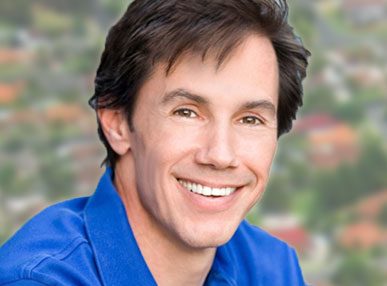
Today’s guest is Jason’s mom, as they talk about the issues going on in California. She shares self-management tips, why she’s selling her California properties, and how she finds contractors from a distance. Jason also tackles the tax issue affecting the state.
Announcer 0:02
Welcome to the creating wealth show with Jason Hartman. You’re about to learn a new slant on investing some exciting techniques and fresh new approaches to the world’s most historically proven asset class that will enable you to create more wealth and freedom than you ever thought possible. Jason is a genuine self made multimillionaire who’s actually been there and done it. He’s a successful investor, lender, developer and entrepreneur who’s owned properties in 11, states had hundreds of tenants and been involved in 1000s of real estate transactions, this program will help you follow in Jason’s footsteps on the road to your financial independence day, you really can do it on Now, here’s your host, Jason Hartman with the complete solution for real estate investors.
Jason Hartman 0:52
Welcome to Episode 1658 1658. And today, I’m glad you’re joining me because I have mom on the show. And I always get a lot of great feedback when mom is on. And I flew out to her home on Saturday, very impromptu trip, and then interviewed her, spent the weekend there and flew back home on Sunday. And by the way, if you have any interest in flying around on private jets, it is ridiculously expensive most of the time, but there are ways to hack it. And I like to save money. I don’t like to spend a ton of money on this stuff. But I sure do like these privileges once in a while when you can get them. So what we might do if you express interest in it, empowered investors, as I can talk about this in our next empowered investor, inner circle meeting and share some of my hacks. I used to do it quite a bit a few years ago. And now I’m, I’m trying to hack the system again. So it’s, it’s pretty neat. You can get really good deals on, you know, flying around and 12 to $14 million private jets sometimes. And that’s what I did. When I flew out to see mom, on that impromptu trip, it was really cool. Anyway, I interviewed her, she shared some of her rental tips, what she’s doing with her portfolio, and we sort of didn’t exactly cover this the way I kind of meant to the conversation didn’t quite go there. Exactly. But I’ve talked to you about it before. And that is California has either proposed or already completed new tax legislation. And why is this important? Again, I know I’m gonna get a few people that kind of roll their eyes back. Why is he talking about California? I don’t live in California. I don’t care about California, I wouldn’t invest in California. Well, you’re smart.
Okay. So congratulations, that you don’t live there wouldn’t invest there. But you do need to care about it. And the reason is, it is the biggest state in the country. If it were a country, it would be I think, I don’t know, it changes 5/5 or sixth largest economy in the world. So California is significant. And it is a disaster area, we know that they’re just doing everything to try and ruin the state, there is a very serious possibility that the governor will be recalled. Let’s hope so. Because he’s just ruining it. It’s terrible. But some of this stuff is extremely important. Because California tends to start trends. And when California money moves, there’s a lot of money there. And again, this is the typical scenario that happens with countries societies throughout history, okay. And a friend of mine sent me this. It is from some famous thinker that it’s been written about, and I wish I had the chart in front of me, but it’s this little kind of a wheel, okay. And it shows the progression of societies. And California, New York, you know, the US in general, and other westernized countries are all following this same, frankly, tragic progression, sadly, and I don’t remember it exactly. I wish I had it in front of me so I could explain it better. But essentially, it’s this. Everybody starts out in poverty, they struggle, they create wealth, they delay gratification, this is as a as an individual, as a society, as a nation, as a state as a city, you know, whatever, right? It just just applies to everything. And they start out their poor in the beginning, they struggle, they work, they save, they create a good society, that society continues to grow through those good values that they originally had, and it prospers. And when it prospers, it gets fat and happy and gluttonous and stupid. Okay, and then they start to grow the bureaucracy, the government becomes intrusive, they got to create a new committee and a new program and a new agency for everything under the sun. And this is basically what happened to the United States in kind of a post war world, it really sort of took off a lot in the late 60s in the 70s.
And the size of government just bloomed, it exploded to ridiculous levels. And so we’re suffering the hangover of that now. And so it grows, and the government gets more intrusive and it becomes a busy body, and then it’s a disaster, and it starts to fall apart, it starts to have financial problems. And it essentially becomes insolvent, which nobody could argue that the government is not insolvent today, right. But we can do all this great financial engineering with fractional reserve banking and quantitative easing, and the Federal Reserve and this and that, and the other thing, and so we can paper over it, essentially. But the fact is, the government is broke. Most governments around the world are broke, because they’ve all fallen into this trap of the success trap, maybe you could call it the success trap. And the trap of success is that you get big, you get complacent. You know, one of my favorite quotes comes from the great military leader, Napoleon. And Napoleon said this, this is good. Are you listening? It’s an important quote, here it is. The most dangerous moment comes with victory. The most dangerous moment comes with victory. Now, that is true for an individual, a team, a, like a sports team, a society, a company, a city, a state, a country, whatever. The most dangerous moment comes with victory. Why is that true? Because with human nature, when we have victory, we become complacent. We become gluttonous. We forget what got us there. This is the reason not to leave a ton of money your kids, right? Unless they’re all they’ve already got their head on straight, right? You know, that’s why parents will set up a trust. And they will dole out money to their young children, slowly, if they die an early death, right? They’ll dole it out to them slowly, and maybe when they’re 35, they’ll let them have access to all of it. You know, hopefully, they’ve acquired some good values by them. And they, you know, they’re not going to screw it up. But if they’re 20, money, they could really mess it up. Right.
So, so that’s what you don’t want. So people forget what got them there. Societies forget what got them there. This is certainly true of California, my home state from years ago, not home anymore. I’ve been gone for 10 years, but 10 years ago, that was my home for most of my life. What we’re talking about with California is important. And it is important for you as real estate investors to really understand the impact of that big state and that big economy that is getting smaller. It’s basically California, New York, etc. The United States, other countries, Europe, they’re all writing on reputations that really were earned and deserved decades ago, decades ago. In fact, I would even argue that some countries in Europe are writing on reputations that they earned 100 or 200 years ago. And you know, like, what have they done lately? Not much. Hey, listen, I’m not bashing Europe too much. I was born there. Okay, I love Europe. But really, Europe is caught in the past. And many other countries are too and California is caught in the past. Just the past doesn’t go as far back for them. The greatness of California. And you know, even you know, New York maybe a little later, the greatness of New York kind of ended in the 80s. The greatness of California ended in the Well, probably the 60s. Go watch old reruns of shows like Gidget. Okay, about California and the 60s and see how great it was. Watch you know old movies and see how uncrowded and wonderful California must have been back in the day. Right? You know, but I’m not being all sentimental about it. I’m just saying. This is an important concept to understand that for the individual, the family, the team, the city, the state, the country, society in general, the most dangerous moment comes with victory in California is long past its prime. And that really, really matters because massive amounts of money have been flowing out of that state into other markets. Look, when I got into this business 18 years ago, that’s exactly what I thought I knew that was going to happen. And I thought, I just want a small piece of the I don’t know how much, but maybe the trillions of dollars that are going to flow out of this state. You know, I just knew that was going to happen. And it did happen. I was right. And I just want a small piece of that. And you as a real estate investor, maybe you live in California, maybe you don’t. But the way you get your small piece of that is you have these good solid income properties in these other states and cities that we recommend.
That’s what you do. And I’m not repositioning the way my mother is. But she still has old California properties that she’s finally selling and doing 1031 exchanges on and moving them to, really Florida is her favorite market. Now. I like Florida, too. I live in Florida. Obviously, she doesn’t live in Florida. But we have many other markets besides Florida markets. But Florida is great. As our you know, many of our other markets as well, you can see them all at Jason hartman.com slash properties. Just understand that with the threat of the Biden administration, I mean, by the way, we never had, you know, after the new administration was installed. You notice I use the word installed after the new administration was installed. We never had a State of the Union speech. Isn’t the State of the Union speech always at the end of January? I think it is right. ever happened. Joe Biden doesn’t even do a press conference. I mean, I guess he has dementia is so bad. He can’t even do like a press conference or a state of the union address. Is that what’s happening here? That’s super scary. But nonetheless, Biden wants to take away the 1031 tax deferred exchange. He wants to take away long term capital gains taxation, the favorable low taxation rates for long term capital gains. Governor Gavin nuisance in California is doing all sorts of stuff, all sorts of new taxes that he wants to do. And one that he achieved on, you know, a slight repeal of Proposition 13, which Howard Jarvis got through in 1978, which was just a boon for California. That was huge. California, I, I submit to you that California would have never had the kind of real estate booms it has had. If Howard Jarvis hadn’t passed prop 13 in 1978, there’s no way there’s no way it would have happened. So a lot of factors here playing out. But I think you’ll like this interview with Mom, I do need to tell you that the audio quality changes throughout the interview, because we started to record outdoors in her backyard. My mom has like this mansion, frankly, it has a mansion. And I mean, I’m not bragging, it really is a mansion. And she has this is the biggest state, we were in the backyard. And then it got kind of hot in the backyard. So we went inside.
So you’ll hear one audio quality at the beginning. And then you’ll hear a different kind of audio later when we went inside. And we didn’t have like the optimum microphone setup for this. So I apologize for that in advance. It’s certainly good enough. So you know, the audio is fine. It works. But it’s not studio audio. Okay. So just understand that. And I think you’ll enjoy the interview. And if you need us reach out, Jason hartman.com, or one 800 Hartman, if you’re in the US that phone number works one 800 Hartman toll free in the US.
Let’s just dive into the interview with my mom. And I am here with my mom. She has been on the show many times before, but not for a while. And we’re here in her backyard. Wow, some interesting things. Yesterday, we had a good conversation that we should have recorded about California property taxes, proposition 13, proposition 19. And we talked about the 1031 tax deferred exchange laws and all of these different things. So we’re gonna touch on that a little bit. But also mom, we went to this great diner this morning, you took me to breakfast here. And it was it was really great. And this was like a 50s diner. And so the the menu was on this kind of newspaper, and it had some interesting things about inflation. And it you know, groups, the 50s together is just the decade not a specific year, right? But the average Well, not on all of these, the average income per year was $3,210. But by 1959, it was $5,010. A new house cost at $450. And in 1950, the average cost of a new car was 15 $110. And by 1959, it was 20 $200. And this one everybody can much more easily relate to what is that mom?
Jason’s mom 14:56
a gallon of gas was 18 cents.
Jason Hartman 15:01
18 cents for a gallon of gas. That’s amazing. And I love this 50s trivia you know, Love Me Tender was a 50s hit for who? Frank Sinatra, Elvis Presley, Jerry Lee Lewis or Ed Sullivan. I think that’s Elvis. Right. You were a big Elvis.
Jason’s mom 15:13
That was Elvis. Yeah,
Jason Hartman 15:15
I think it was two. And then of course, there was the James Dean era. In 1954, Roger Bannister broke the record for the first person to run a four mile in under four minutes. And the interesting thing about the Roger Bannister record is that everyone thought for like 2000 years since I think the beginning of the Olympics like 2000 years ago or something like that, that it was physiologically and physically impossible to run a mile in under four minutes. And as soon as Roger Bannister broke that record, a whole bunch of people did it right after that. So it just goes to show you that’s a real lesson for self imposed limitations. Right? It really is interesting. Some of the 50 slang i thought was pretty good. A bash is a party a big tickle is something really funny. Bread is money, right? You know, but I like this one. razz my berries excite me. So let’s, let’s hope we razz our listeners and viewers berries. Today, we’re gonna raise your berries with some interesting stuff, hopefully. Anyway, Mom, yesterday, we were talking about, you know why I’m doing some 1031 tax deferred exchanges right now. And selling some of my properties, consolidating my portfolio. But the most exciting part of this as all is after maybe 1617 years. After 16 or 17 years of me bugging you, right? Tell the listeners what you’re finally doing.
Jason’s mom 16:47
I am can 30 winning all of my properties hopefully into from California into Florida. Now what?
Jason Hartman 16:55
So you know, these California markets, way too expensive, the rent to value ratios don’t make any sense. And so I’ve been bugging you for a long time to get in a better cash flow position and also be more diversified. You know, those California properties? You were buying those way back into the 70s? Okay. 70s 80s. So, you know, it’s it’s sort of the old rules of investing. And they’ve changed and, you know, we’ve had this debate a million times. But one of them that I think is particularly interesting is the one we talked about yesterday, your tenant who you’ve talked about on this show before, what do you call him? Only because that’s he said that at the end of a phone message. And you thought it was funny, right? He has been renting that house from you. Since 1980 1989 1989.
Jason’s mom 17:37
He could have bought it a few times over actually price wise. Right.
Jason Hartman 17:43
So 32 years, he would have paid off the mortgage two years ago if he just bought the house. Yeah, right. Yeah, but he didn’t. So that is the longest tenant I know of my longest tenant was nine years, one tenant, the state nine years and a property. Your longest tenant is 32 years. And I said, you know, that guy’s not ever moving? Do you think the rents too low?
Jason’s mom 18:05
Really, it is because most of my properties, there are $2,000. And he’s 1835 or 1865. So you know, you always give your long term tenant a break, especially when he doesn’t give you any expenses all year long. Right.
Jason Hartman 18:20
So this guy, he’s a truck driver, and he fixes up the house for you. Right? Right. Yeah. Yeah. So he’s, he’s, he’s one of these great tenants. And I know you have kind of half jokingly said on the show before, that you like these tenants who are handy.
Jason’s mom 18:35
Yeah, cuz he can, he can put in his own water heater, I just go and buy it at Home Depot. And he picks it up. He doesn’t wait even for someone to pick it up. If he wants a new toilet, I say I’ll pay for it.
Jason Hartman 18:48
You know? Yeah. But he installs it. Oh, sure. So you got free labor. And you know, that’s why one of the other reasons I love self management, I told the story about how one of my tenants in a property here in Alabama, actually, they installed the dishwasher. I just bought him a new dishwasher. That was bad. And they installed it, you know, so yeah, it’s great. But the interesting thing is, we did a little research on this property. And I asked you what was your original rent in 1989?
Jason’s mom 19:14
It was about $800. So
Jason Hartman 19:16
$800 a month and you paid what? 89,000 for the house? at 985. It was close enough for government work. So basically at the beginning, though, you were at about a 1%. rent to value ratio, an RV ratio of almost 1%. Right? And now, you’re renting it for 18 150 bucks, say, and the value of the property, according to our research yesterday is $370,000.
Jason’s mom 19:42
Yeah, but it’s really worth more than that.
Jason Hartman 19:44
Well, that’s what every seller thinks.
Jason’s mom 19:47
But it is because it’s worth more than the other one.
Jason Hartman 19:51
Okay, that I’m doing right now. Okay, so let’s assume you’re right, okay, let’s north of the 60 or whatever. So let’s assume that’s true. Okay, but here’s the thing. This lesson is really good for all of you listening to this, because it shows you how rents lag prices. And as and as price appreciation occurs, the rent to value ratio gets out of sync. So this property 32 years ago had basically a 1%. rent to value ratio. But now, it only has a well, less than a point 5%. rent to value ratio. Right?
Jason’s mom 20:28
Yeah. Thoughts? Well, that’s very true. But especially because he is a long term tenant. If you weren’t a long term planner, the only difference would be I’d be charging him about $2,000.
Jason Hartman 20:40
So a new tenant, if you had to return it, you think you’d get 2000?
Jason’s mom 20:43
So Oh, man.
Jason Hartman 20:44
So it would be about a point five rent to value ratio. Yeah. Okay. Okay, great. So you’re doing 1031 exchanges, and you’re selling some of your expensive properties. And I’m so happy you finally are doing this, okay. Because I’ve been bugging you to do this for years. But you said something. To me, that was really interesting. When you first told me this on the phone that you decided to do it. Because you’ve been buying a bunch of properties in Florida lately. You’re really hot on Florida, you’ve been buying more rental properties here. You said, you know, selling, you know, a couple of expensive properties, you can buy like 15 more properties, right?
Jason’s mom 21:18
Well, depending on how expensive the property is. Because this one that I’m currently selling
Jason Hartman 21:24
right now. Well, you got three of them are selling, right? Are you doing
Jason’s mom 21:28
three of them? No, I’m having one in California, one in northern Alabama, right. But the California one I could buy, as long as I’m doing it, leverage wise mortgages. I could buy almost four houses that I could rent possibly from 1900 to 2000 or more a month. So that would be a huge increase in rental income
Jason Hartman 21:53
in cash flow. Yeah, right. Yeah. Yeah. So it’s, it’s phenomenal. So folks, look at you know, real investors are investing for cash flow, speculators and gamblers. My commandment number five, Thou shalt not gamble. They’re investing for appreciation or speculating for appreciation. And listen, you can make money speculating. Like I’ve always said it’s, I can spend it as well as the next person. Okay. I love appreciation, but we really consider that the icing on the cake. Not yet. Not the main thing, right?
Jason’s mom 22:22
No, I just love getting those rental checks that mean God.
Jason Hartman 22:27
The income is the thing, right? Yeah. Good. Good stuff. Okay. So and one of the other things that got you motivated to do this as you started, like me getting really worried about what’s going on in California, right. Oh, wow. Talk to us about that.
Jason’s mom 22:42
Yeah, it’s turning into a situation where you no longer have freedom. You cannot say to the tenant, I want my house back, because I’m going to sell it. You just can’t get rid of the tenant. Especially if they have COVID. If you increase the rent, but one of my tenants, I gave him a $140 a month in Greece, and he simply decided he would ignore it. Now we successfully evicted him. It took about two months. But he is now gone. And that is one of the houses that I am selling, whereby I will be able to purchase almost four houses, not quite four houses in Florida via a mortgage. Wow.
Jason Hartman 23:23
So you’re going now I’ve done and I’ve talked about many times on the show, because I’ve done it many times. I call it the 241, where you sell an appreciated property, and you buy two more properties, but you’re getting a four for one.
Jason’s mom 23:37
Yes. But with mortgage money this inexpensive. Why would you just pay cash for those? You should folks get mortgages. She’s coming around.
Jason Hartman 23:47
I’ve been saying this forever. Yeah, even though I was saying it when rates were higher, and the mortgage is more expensive, but it was still it was still a good deal at that time. All right. Yeah. So California, obviously is tenant friendly and landlord unfriendly. We all know that. Same with New York and some other jurisdictions. Any blue state or you know, even a city or municipality that’s democrat controlled is going to be landlord unfriendly. But let’s talk about prop 19. In California. We were talking about that yesterday. And I thought that was pretty interesting.
Jason’s mom 24:18
Well, what happened with prop 19? And you know, all of those real estate agents were the ones that were pushing that
Jason Hartman 24:24
shame on the real estate. Yeah, I know why. Right.
Jason’s mom 24:27
So the thing of it is, is that if you are a child and your parent has a lot of properties, for once that parent dies, those properties are going to be taxed at the highly appreciated rate.
Jason Hartman 24:39
But that’s the property tax. You’re not talking about a step up in basis for a state tax. Now, Joe Biden has made it clear that he wants to do that. Okay. Yeah, so that’s going to be even worse. So you were concerned about the California tax situation, which is admittedly very scary. Everybody should be very concerned about that. You know, California has, I think four scary major tax things that they’ve been discussing. One of them passed, which is prop 19. You know, I remember back from 1978, Howard Jarvis, that great Crusader for lower taxes, he got prop 13 through and that has really helped the California real estate market.
Jason’s mom 25:23
I mean, that’s it,
Jason Hartman 25:25
it would never have appreciated the way it did. I think if prop 13 hadn’t happened way back in the 70s.
Jason’s mom 25:30
Jason, I remember an incident. A long, long time ago, when after I bought my first house, I wanted to buy a second house. And my accountant and everyone discouraged me because they said the property taxes are going up so fast now. And that was before Howard Java drove 30. I didn’t buy that house, because it was a ridiculous situation.
Jason Hartman 25:54
Right? Right. And, and so that that buoyed the market a lot. But now, now it’s different. So tell us your impression of the prop 19 situation and what that means for the real estate market there. And by the way, folks, some of you might wonder, although I haven’t really heard this, but why don’t we talk about California? Okay, why is it Why does it matter? California, it would be I think, the sixth largest economy in the world, if it were a country, it’s got 40 million people almost, it’s it’s the most populous state in the US. And it also is a state that has historically started trends
Jason’s mom 26:27
about the problem.
Jason Hartman 26:28
That’s that’s the trend starts these trends. Because these wacko politicians there, they just start these trends, and it becomes a nationwide thing or it contagion to other states, California, New York, very significant. We don’t like these markets, we don’t want to invest in these markets. But it’s really important to understand what’s going on now. Why also, is because money has been and will continue at an increased pace, in my opinion, to flow out of California, in New York, it’s already been accelerated dramatically by the pandemic. And I think that’s going to accelerate even more. And that means a lot to you as real estate investors, if you own properties in the markets who are benefiting from the flight of capital leaving California, this is huge. This is hugely significant for you. So that’s why we’re talking about it, just so you understand. So now, go ahead. I just wanted to frame that a little bit.
Jason’s mom 27:20
Okay. Well, it’s true that what happens in California, just instead of the older days go westward, everything comes eastward, like eastward and southward. So anyway, from what I understand about the prop 19, if you are a child and your parents die, and they have a lot of property, if you live in that one property that you and your parents lived in together, that tax will not affect you. But all of those rental properties, the property
Jason Hartman 27:49
tax will reset to current value,
Jason’s mom 27:51
yeah. And what will happen is, perhaps if you’ve been charging really low rents, and then there’s a cap on the recumbents, you can increase rents in California, you’re going to have to sell those properties, or get a lot less profit out of each house. So
Jason Hartman 28:06
what does that mean to investors? That means a lot of properties being dumped on the market in California abruptly, okay. And that means downward pressure on prices, potentially. And now, look, it may be in a market where prices are going up. But the question is compared to what always right, they would have gone up more, had they not had this additional inventory come on the market. So I’m not saying the price will necessarily drop, it might drop. But it depends on the overall market. I’m just saying within the overall market. This is downward pressure on prices. Yeah,
Jason’s mom 28:39
if there are a lot of fear a lot more properties on the market. Naturally, prices are just here.
Jason Hartman 28:45
So that concern you that you would see downward pressure on prices. And that’s one of the reasons you’re selling the California property
Jason’s mom 28:52
under those huge equities could vanish.
Jason Hartman 28:55
You’re right. All right. Okay. What other concerns about the California market or the economy, any anything else?
Jason’s mom 29:02
It’s just that they can tell you what you can do. And it’s getting worse each and every time. And you think, well, pretty soon we will be finished with this moratorium, but then they just simply extend the moratorium, or maybe they’ll find another disease that they control. You can control everyone, you know, who knows? Well, there’s
Jason Hartman 29:23
there’s the next strain of COVID. Right? I mean, Bill Gates has been talking about how we’re going to need a whole bunch more vaccines and you know, of course, who’s making money off that? Okay, it’s
Jason’s mom 29:33
the guy if the idea is do not buy properties, where the government basically detest landlords,
Jason Hartman 29:41
in other words, you have major political risk. Okay. Yeah, just like you do in foreign countries. You know, some people ask about international investing. And I talked about the political risk being hugely significant in some of these places. I mean, all these investors went bought properties in Argentina, for example, and now Argentina is having you know, it has a crisis. As a huge giant crisis, I mean, you think art crises are bad, there’s a really bad every 10 years, Argentina has got a new fiasco, right? And so you want to minimize your political risk, like you minimize other risks when investing, right? And California has got this wealth tax on the table. There are just so many things to be very concerned with about that market. Talk to us mom about any of your other tips and tricks for real estate investing. You know, I love self management. I think it really is the way to go. A lot more people should be doing it than that. But you take it to a whole new crazy level, I think you over self manage. I call her an extreme self manager. Okay, because she does like everything I think you do. The hybrid model is the best model where you have a real estate agent, a property manager that’s doing all ecard services for you, but you do you like everything. Okay,
Jason’s mom 30:51
Jason, I’m just reasonable. I’m just using common sense.
Jason Hartman 30:53
Okay. All right.
Jason’s mom 30:55
If they destroy something, they should pay for it. If you give them a freshly painted house, and one year later, they move out, they should bear if the paint job is supposed to last for five years, they should bear
Jason Hartman 31:08
80% of that cost or 80%. If you have to repaint it.
Jason’s mom 31:11
Yeah, you have to
Jason Hartman 31:12
retake it, because you had to In other words, what she’s saying is you had to repeat it four years early, right exact, so that paintjob should have been a five year paint job. That’s how you should be able to amortize it over five years. But you had to paint it in one if they moved out and destroyed the paint that they should pay 80% of the cost of the paint job
Jason’s mom 31:30
and paint used to be not expensive. But now to pay a little rental house. Everyone wants to charge you from 1800 to $5,000, which is absolutely ridiculous.
Jason Hartman 31:42
Well, 5000
Jason’s mom 31:43
Oh, yeah. hyperosmolar Pedro, yes, I can bids in Northport, Alabama, for $5,000 or 1500. So,
Jason Hartman 31:51
obviously, you did not take that bid. And you always get good.
Jason’s mom 31:56
I got the 1851.
Jason Hartman 31:58
So that’s the next thing I wanted to ask you about. contractors, and bids are just all over the board. It is amazing. To
Jason’s mom 32:05
me, there’s no
Jason Hartman 32:06
there’s no reason there’s no rhyme or reason. They just massively vary for essentially the same exact job. So you have this unique shopping method. And again, folks, I don’t know if you’re going to want to spend this much effort on your properties, right. But I just want you to know what’s available. And here’s what my mom does. You go to the Google. It’s from a movie, remember, I go on, go on the line and go to the Google. And then you ask the Google for, you know, painters, for example, or flooring contractors, or roofers or whatever you write, and you get the first three pages of Google. And you go from a bottom up, which is really intrigued. So tell us about?
Jason’s mom 32:47
Well, yes, because the people who are in the bottom of the page, get the least amount of calls, everyone calls the first guy on the page, okay. And so you simply make 10 phone calls, or Well, maybe you make more than 10 phone calls or emails that you make, that comes later, you make the phone calls to talk with the people. And if they’re not there, and a lot of contractors are not there, because you have to leave messages, okay. But anyway, get 10 people that you can talk to, and you tell them exactly what you want, you have a rental house, it’s about 1500 square feet, and it is such in such an area, and there’s a lockbox on the door, please go give me a price, give me the estimate as soon as possible.
Jason Hartman 33:34
And by the way, one thing, I want to say don’t call that an estimate, call it a quote, because an estimate means it can vary. I want a quote on the job. I don’t want them to be later.
Jason’s mom 33:45
Oh, absolutely. And so you simply, you know, hire the best price, sometimes the absolute cheapest price isn’t exactly the best. But you know what, you have to be experienced enough by this time to know who is a real painter and who paints as a sideline. And you don’t want the guy who paints as a sideline, we want him in there and out in two to four days or so. It’s just simple. And your prices will vary from what just happened to me from 18 $150 to $5,000. So obviously, you know, anybody can paint pretty decently. So in this case, I probably just choose the cheapest one.
Jason Hartman 34:25
Okay, so but you you go and you look at the first three record SERPs search engine results pages on Google, okay. And you go to the third page, you print them, and you go to the third page, and that’s your search bottom up. Yeah. Okay. Because that’s the guy who has not figured out how to optimize his SEO. And he doesn’t have a lot of calls, right? Yeah. And so that’s the guy’s going to be more hungry for business more reasonable,
Jason’s mom 34:51
and also the person in your conversation with them, you know, he has to be available to go to work almost immediately. Okay. He Can’t have jobs going out for six months at a time it might get to you,
Jason Hartman 35:04
you got to get it done right
Jason’s mom 35:05
away. The only two things about any of this Okay,
Jason Hartman 35:09
what other tips and tricks? What about like, you know, your sister, Aunt Joan, who’s been on the podcast and also spoken at a couple of my conferences with you on the stage, she has these house rules, you know, what are you putting anything interesting into your leases lately, or any lessons you’ve learned about the clauses in the contracts and things like that?
Jason’s mom 35:29
Well, in Florida, because, you know, I don’t know the rule or the rules of estate, I use that big huge lease that everyone uses in Florida, but it really doesn’t protect the owner very much. But I always do add my one page about painting lasting for five years, if they don’t change the filters, and those filters are filthy, it can break down the whole system, Ruby
Jason Hartman 35:54
hpac filters, and
Jason’s mom 35:56
you know, I’m gonna charge you $100 if I walk in there, and that thing is embedded with there. And, you know, a real true example, Jason, I just paid 70 $500, about a year ago to install a brand new furnace in the house of mine in Santa Ana, the tenant called and he says, you know, this house was built in 1935. So it had asbestos to it. Well,
Jason Hartman 36:24
I used to live in that house as a kid.
Jason’s mom 36:28
So we had to be a little careful about them, you know, asbestos to approved mobile, otherwise, it wouldn’t have cost that much. And
Jason Hartman 36:34
just so everybody knows, as fast as I believe it was 1978 was the last year you could use this bestest in building materials. And if it’s in the house, you can leave it there. Just don’t disturb it. That’s the whole thing. It’s okay to stay. You don’t have to remove it. But
Jason’s mom 36:48
I had to do all those new ducts for the furnace. So that’s why it had to be removed. So that’s why it was expensive. Yeah. So anyway, the tenant calls up and said, that is brand new furnace, the air is coming up. And I said, well, that can’t be happening. So he called up the company that installed it. And the company came out, and they examined it, he had not changed that filter within a year. And this guy is in construction, if you can believe that. That filter was so filthy. And the company said Joyce, your system almost was broken because of that. Wow. So anyway, the filter was changed, and he had to pay for the service call.
Jason Hartman 37:33
Okay, so now that’s actually a good point that you bring up mom you are good at. And I think I’m pretty good at it, too. When we mentioned this earlier, when we started today, delegating a lot of the work to the tenants is an amazing when you self manage, you find that the tenant will very willingly and happily do a lot of the work for you. I mean, they they literally some Well, not all of them, they all call around, they’ll find contractors, they’ll get quotes, they all get the best price. They I mean, they really, it’s great when you get the tenant who’s in alignment with you. Yeah. And they’re really helping you and they act like an owner, they take ownership. Any thoughts or tips on that? Well, the longer the tenant lives there, the less you will call you. Because he will begin to just fix things himself. Maybe he or she, you better be politically correct here. Oh,
Jason’s mom 38:22
I forget that.
Jason Hartman 38:25
She has tenants of both genders,
Jason’s mom 38:26
okay. Anyway, the thing of it is, the longer they live there, the more they consider it their home, but it can go the opposite way. The longer they live there, they’ve maybe never fixed anything. Okay. So you know, there’s kind of two sides to that. But actually, usually, the longer they live there, the less phone calls you’ll ever get.
Jason Hartman 38:47
Okay, so tenant turnover, that’s expensive. And we want to minimize tenant turnover. But at the same time, we want to raise your rents and optimize our rents, any thoughts or tips, you can share?
Jason’s mom 38:58
Well, you simply must raise the rent every year. And I don’t go out and renew the leases every year. I simply send them this form that I got from the apartment Owners Association, your rent increase for this next year is such and such. And it’s not that they have to sign it either it begins within 30 days or two months or depending on how long they live there. And you know what? They just pay it.
Jason Hartman 39:26
Okay, so you don’t arguments right. And by the way, I just want to mention, for those who don’t know, you only own single family homes, you don’t own any apartments, but you only know that you just use a lot of the stuff from the apartment Owners Association. Correct. So now, I’m just out of curiosity, and you told me this so long ago, I remember you telling me this probably. Maybe before I ever owned I think before I ever owned a property and I was 21 I bought my first rental property. But you told me you didn’t like apartments way back then. And I remember what you said you probably don’t remember this well either but I remember Why don’t you like apartments that aren’t because
Jason’s mom 40:01
they gang up on you, and they’ve talked to each other. And if you give a rent increase to one, if she’s chatty with her neighbor, you know next door, she’s going to go and ask you to get a rent increase, or what did he do? I mean, when you own single family homes, each tenant is isolated. No one knows where anyone else lives. And who is the landlord should never tell that to anyone. You’re on an equal basis actually use the landlord has much more power than the tenant in most states, except California. Okay.
Jason Hartman 40:33
So are in New York, obviously. But yeah, they get the idea.
Jason’s mom 40:36
But But the idea is that you won’t have tenants comparing what has happened to one. And believe me, it’ll be used against the landlord.
Jason Hartman 40:45
So in other words, rent strikes. That’s what you told me. Oh, yeah. You know, the, when you have an apartment, and Listen, I’ve owned a couple of big apartment complexes, one was 125 units, and other one was 139 units that I owned with one of our clients, Steve, and many of you met him at our conferences, I made money on those, okay, they were great. I loved it. I’ve got a mobile home park, I own with him. Now. He’s a client of ours, that a great client for many, many years, maybe 11 years now, I think. And he started buying single family homes. And so we went in on three deals together, okay. And you know, I made money on those. But the thing people need to understand is that apartments take a ton of attention. They are like running a business, just like a business, just like the restaurant down the street, you’re going to have Yelp reviews, and they are going to say bad things about you, they are going to gang up on you, they’re going to conspire against you, they’re going to have mutinies, there’s going to be there could be rent strikes, they’ll make a Facebook group, that’s a private group where all the tenants are in there chatting about you, and all of you know, they can do a telegram group for you know, a text chat and email thread, and all these things. And you know, look at most of our investors, they don’t want to work that hard, right, you can make money doing it. I know, you know, you can make money in any part of real estate, there’s always money to be made. But I just agree with you completely. I like I love the single family homes, they’re just the best, they appreciate the best, you get the best quality tenants in them. Any other tips or things you want to share? Just on anything?
Jason’s mom 42:17
The only thing is that right now, what I’m concerned about, is that nobody wants to move. So you can’t get your house back, to sell it for 1031 at at a one to have to, you know, evict all of these people because it costs too much money. So I hope that the market just loosens up so people have a place to go. And they won’t be afraid, you know,
Jason Hartman 42:43
right. Right. Now, this market is very hard to operate in for a referral network like us, because the houses are just, they’re just gone on a second. And it’s just, it’s really hard. I like a more even keel market where there’s a balanced amount of supply and demand. But right now, it’s just way crazy to the demand side, supply is very, very short. But that’s why prices are going up and rents are going up. So, you know, there are benefits, obviously, but there are hardships too. Let’s just wrap up. And let’s talk about the terrifying Biden administration for a moment. Okay, if you could see her roll her eyes. So So Biden has made it clear that he wants to do away with a 1031 tax deferred exchange, he wants to do away with long term capital gains tax. And he wants to do away with a step up in basis for your heirs for property values when parents pass away, right. So this is hugely significant. And all of these things have a lot to do with real estate. But they also have to do with family businesses that want to be passed down through the generations, all kinds of really, really scary stuff. So think about this, folks. This is why I am doing 1031 exchanges right now. It’s why my mom is doing them right now. And this is a really good time to reposition your portfolio and get it the way you want the way people are repositioning where they live, you know, moving from the cities to the suburbs, it’s the same idea. If that 1031 tax deferred exchange goes away, as Biden’s has made very clear, he wants to take it away. That will be just a huge impact on real estate investors. There are many angles to it. If the estate tax changes to where there’s no step up in basis, it’s going to force a whole bunch of people to sell properties. Oh, the long term capital gains tax, right. So if that goes away, and people sell a property, they’re going to be taxed as ordinary income, not long term capital gains. So not only it’s like this double whammy, not only no 1031 but no long term capital gains
Jason’s mom 44:45
or just taxing the wealth of people. I mean properties after a while make you rather wealthy. I mean, can you imagine them taxing that? By who say so? Would they know the value of that house? Some government sure that would go out there and say, Oh, this house is for such and such,
Jason Hartman 45:05
there will be litigation, there will be appraisals and litigation and you know, people will have to sue the IRS and, you know, it’ll, it’ll be a total mess. Okay, just a complete mess. But the idea is to disallow people from passing on wealth. Biden thinks that is wrong, he has made it very clear that you shouldn’t be able to do that. And, you know, this is a wealth redistribution. It’s Marxism. Okay, that’s basically what it is. So, we’ll see if that happens, but look under the fear that it might happen. I am doing stuff now. My mom is doing stuff now. And many of our clients are doing stuff now for this exact reason. So if you want to reposition your portfolio, talk to your investment counselor. You know, this is all free consultation. They can help you talking about these subjects. So good stuff. Anything else to wrap it up,
Jason’s mom 45:54
Happy investing.
Jason Hartman 45:56
Alright, everybody, happy investing, and we’ll talk to you on the next episode. Thank you so much for listening. Please be sure to subscribe so that you don’t miss any episodes. Be sure to check out this shows specific website and our general website Hartman media.com. For appropriate disclaimers and Terms of Service. Remember that guest opinions are their own. And if you require specific legal or tax advice, or advice and any other specialized area, please consult an appropriate professional. And we also very much appreciate you reviewing the show. Please go to iTunes or Stitcher Radio or whatever platform you’re using and write a review for the show we would very much appreciate that. And be sure to make it official and subscribe so you do not miss any episodes. We look forward to seeing you on the next episode.